2025 - Sittard, the Netherlands
Amy says
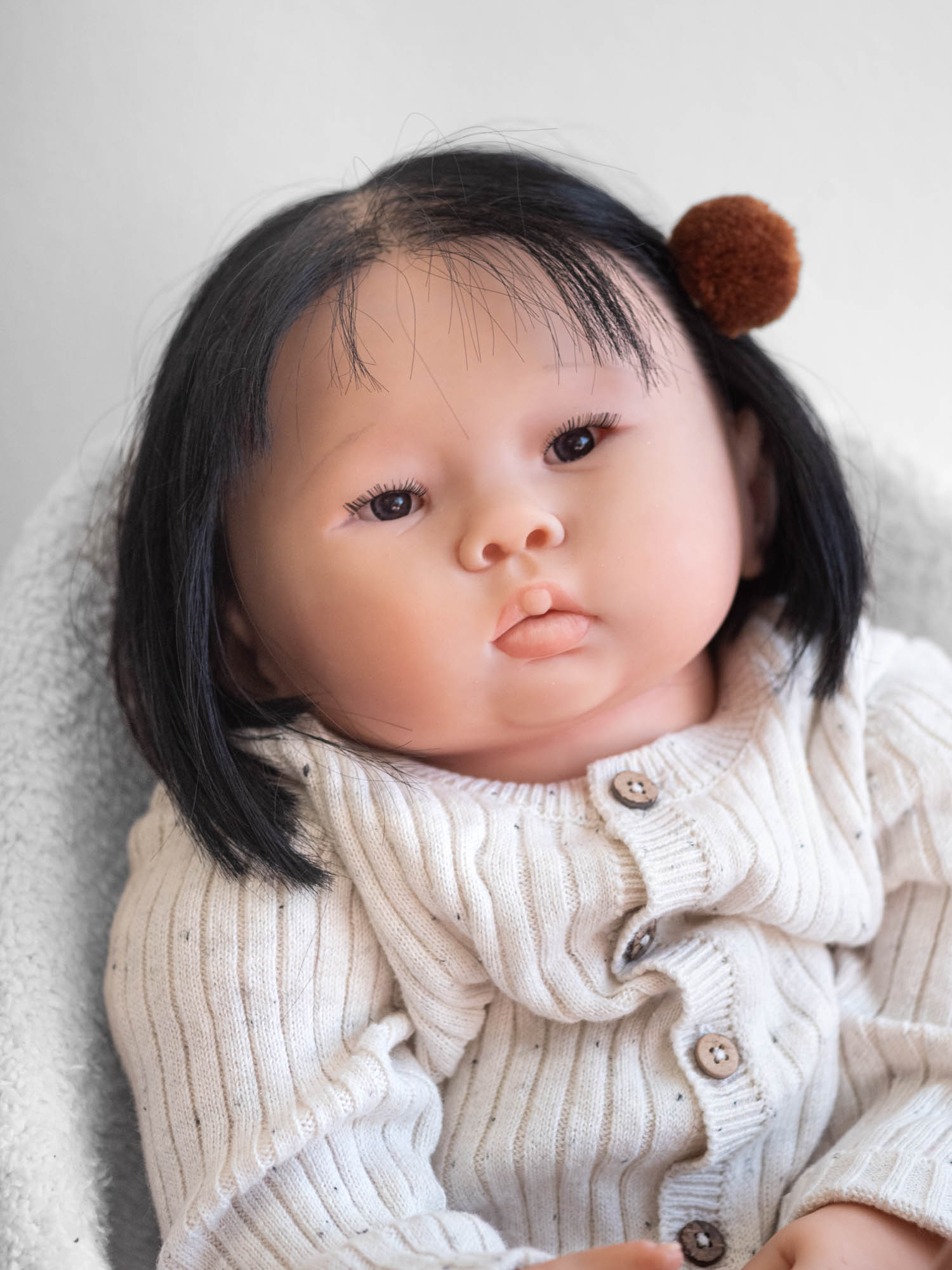
Debbie's daughter found her voice through a doll. Now, Debbie uses reborn dolls for therapy, helping others connect and heal through their unique power.


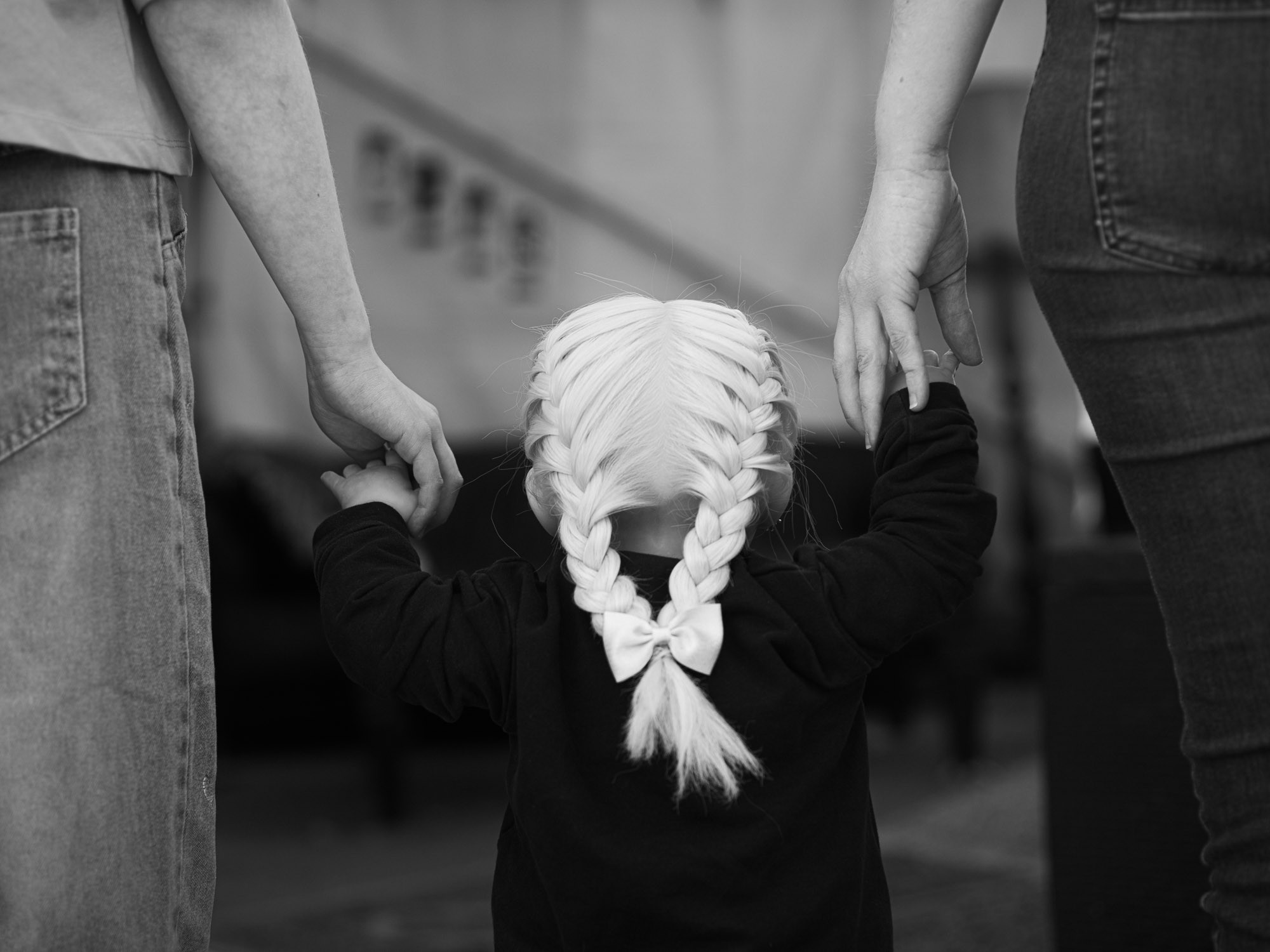
Debbie always had a special love for dolls. When she was a child, they were her favorite toys, and she never stopped being fascinated by them. This is how she found out about reborn dolls, which are very realistic dolls made to look like newborn babies. But back then, she couldn't ever afford to buy one.

Later, Debbie became a mother. Her first son was born in 2011, and her daughter came in 2012. Both children had long-term health problems and were later diagnosed with autism. This made everyday life quite hard for the family. Her daughter had a lot of trouble communicating; she didn't really talk much. The family went through many hard times trying to get help from doctors and support services.

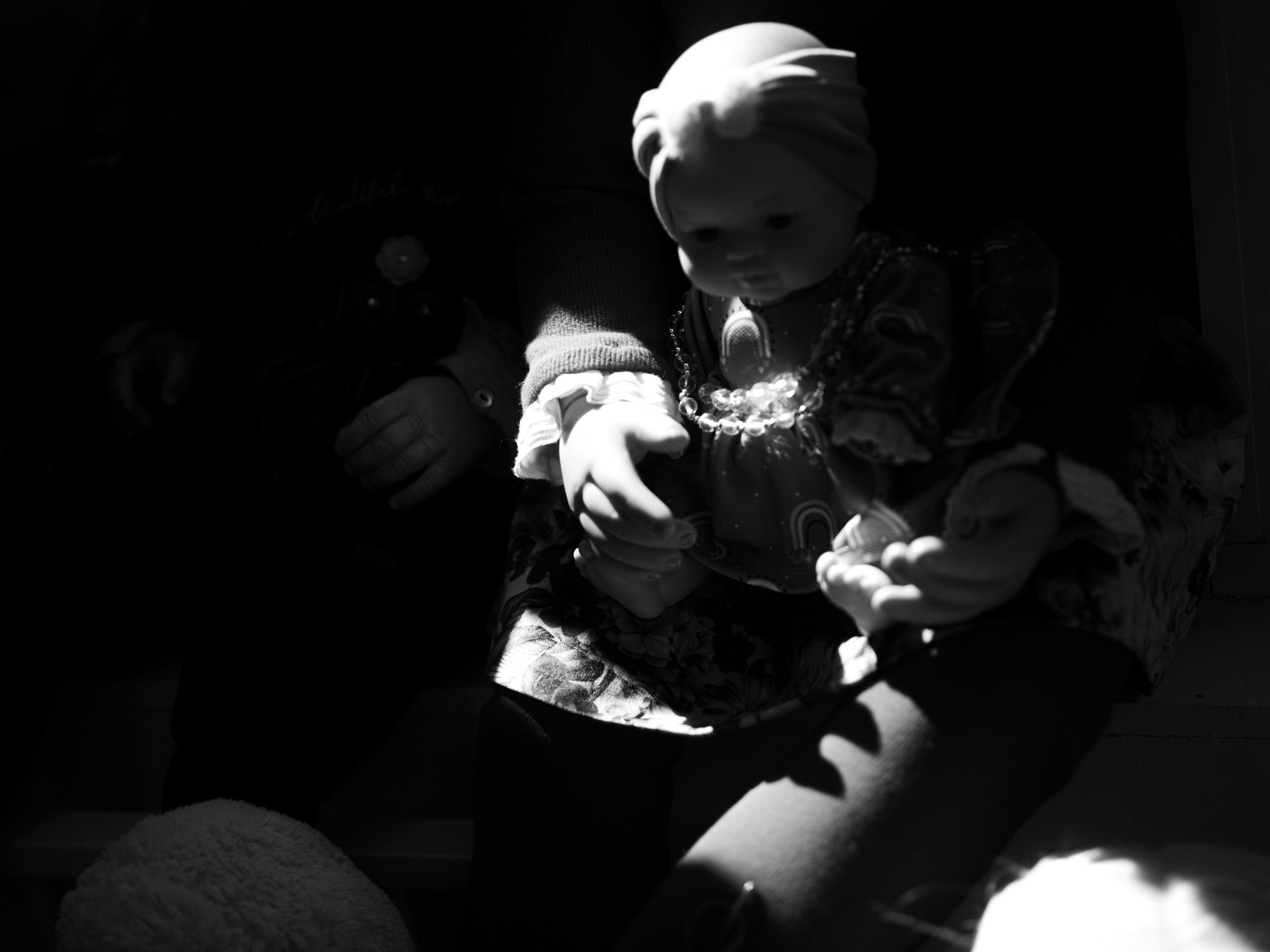
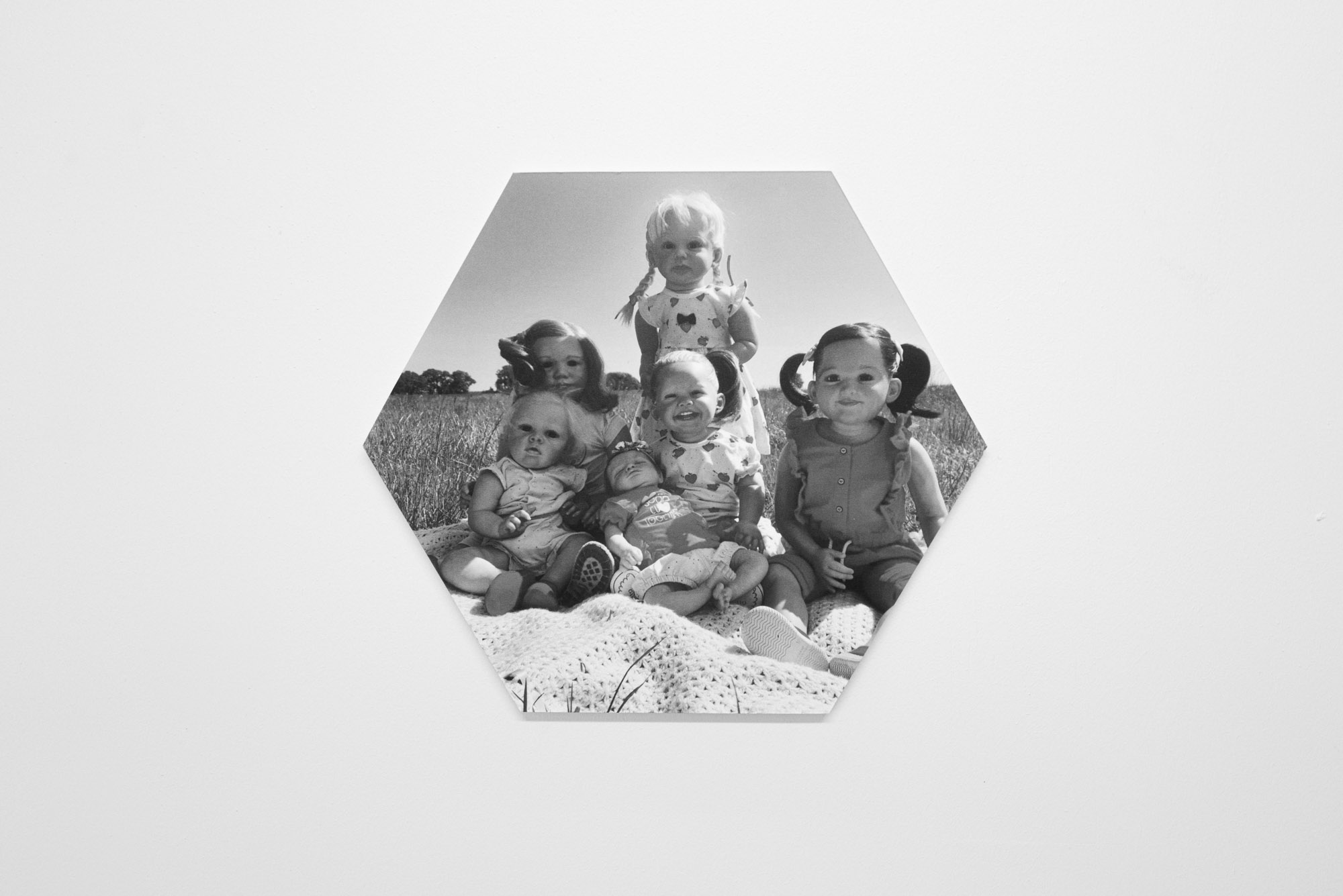
Then one day, something wonderful happened. Debbie finally managed to get a reborn doll, named Amy. One day, her daughter, Lottie, was sitting with the doll on her lap and suddenly she spoke. She said the doll's name. She said that Amy was scared. She even said the doll needed medicine. Debbie quickly understood that her daughter was using the doll to talk about her own feelings, something she had never been able to do before.


This moment made Debbie think deeply. If her daughter could speak up through a doll, could this way of connecting help other people too? She started looking into this idea and taking learning classes online, mostly through Zoom with teachers in the United States. Because local schools in the Netherlands wouldn't accept her due to her own health problems, she decided to find her own way to learn.


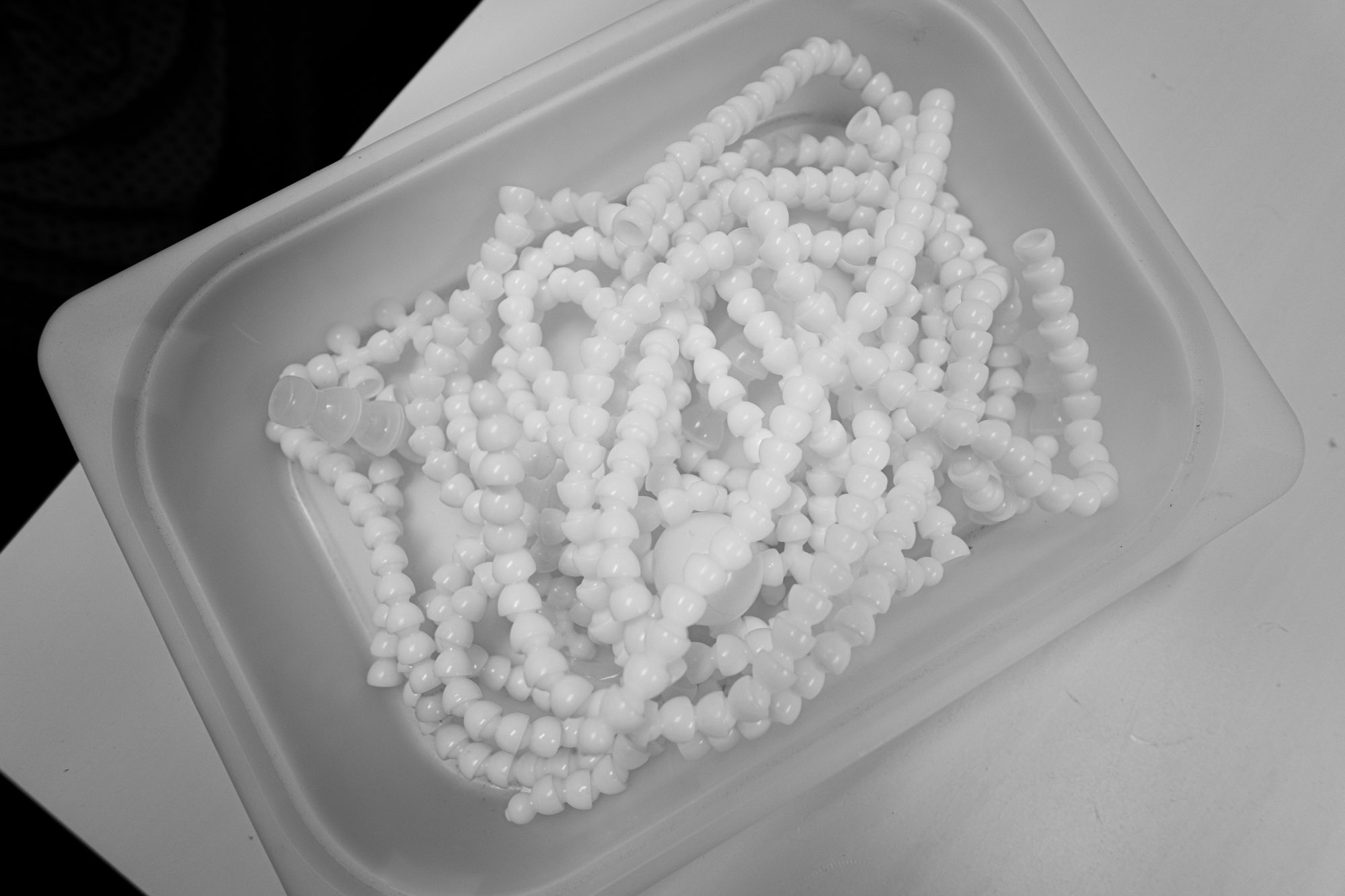
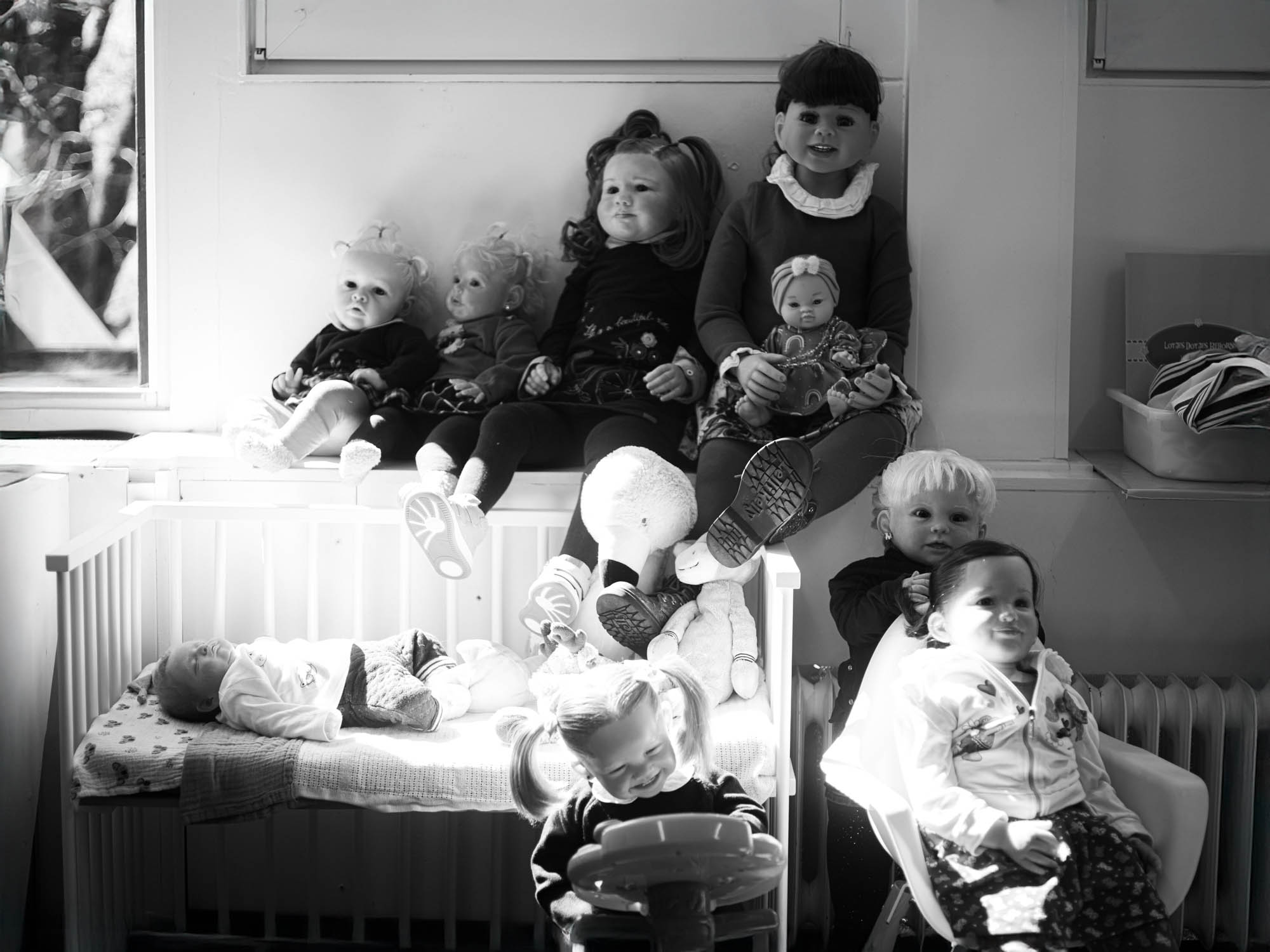
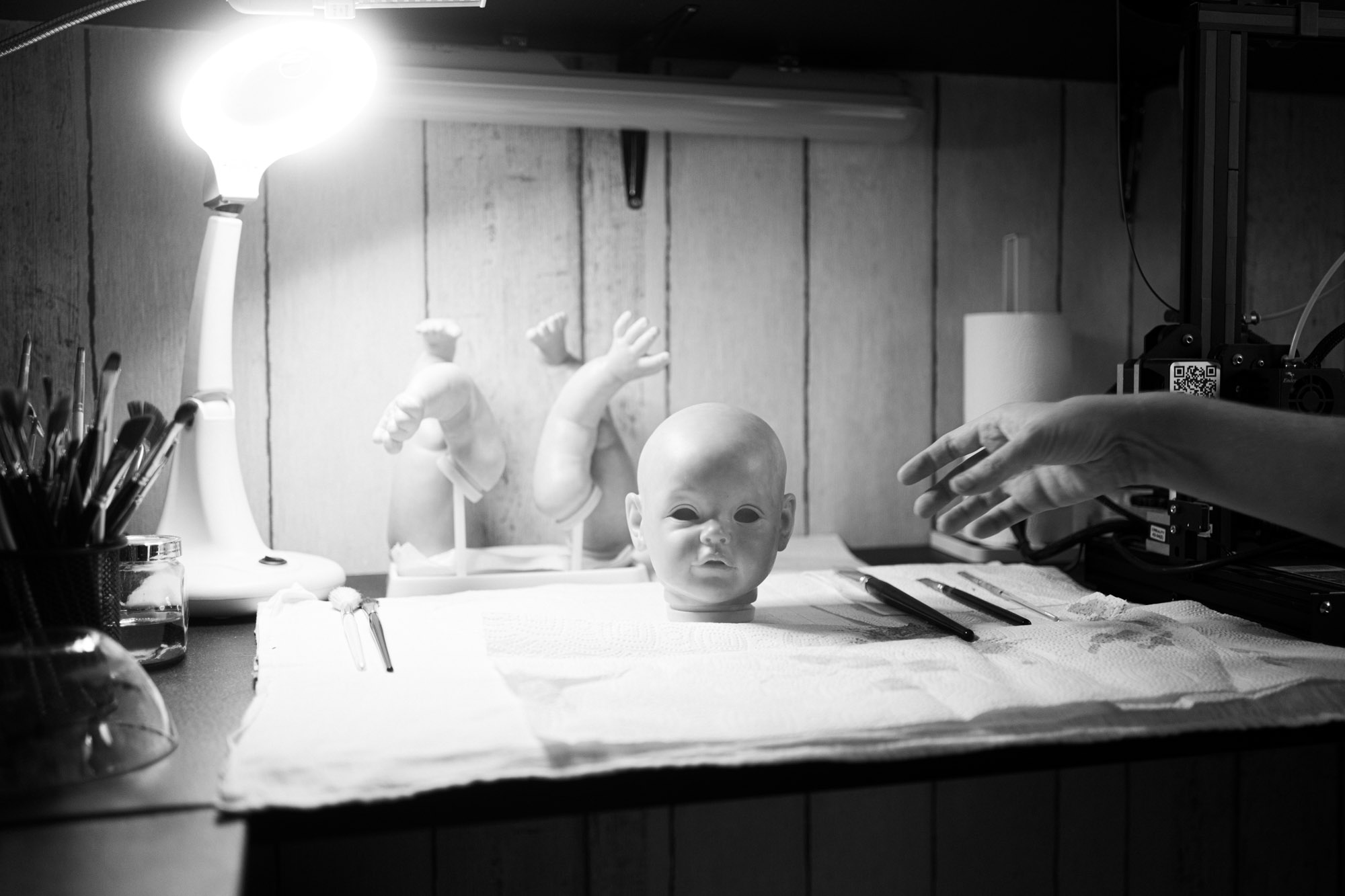

When the COVID-19 lockdowns started in 2020, she saw a chance. Online classes on how to make reborn dolls became available, and she decided to try making one herself. The first doll took her five months to finish. It was so much work that she first thought she would never do it again. But then she saw how happy her children were with the doll, and that made her try again. The second doll was easier, and from then on, she kept getting better.
Seeing how the dolls helped her children and others, Debbie felt sure they could be powerful tools. She tried them with other children who had health issues, seeing how they brought comfort and connection. She also worked with older people with memory problems, and the dolls helped them feel calmer and more connected too.
These experiences showed Debbie what she needed to do. With her husband, she planned a business to use dolls to help people. In 2023, they started Lotjes Dotjes Reborn. They help families and individuals who have struggled to find support elsewhere, bringing comfort through the dolls.
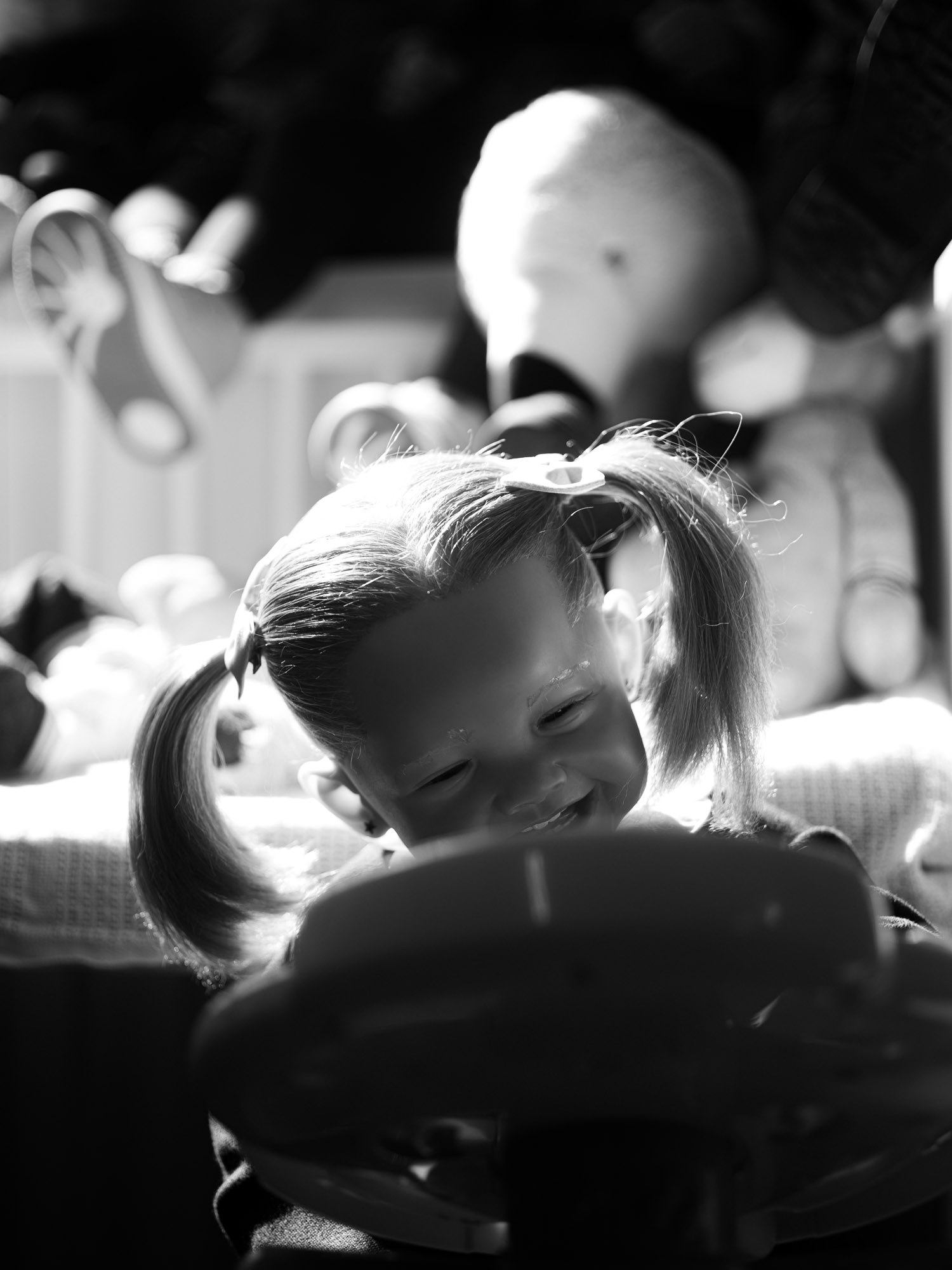
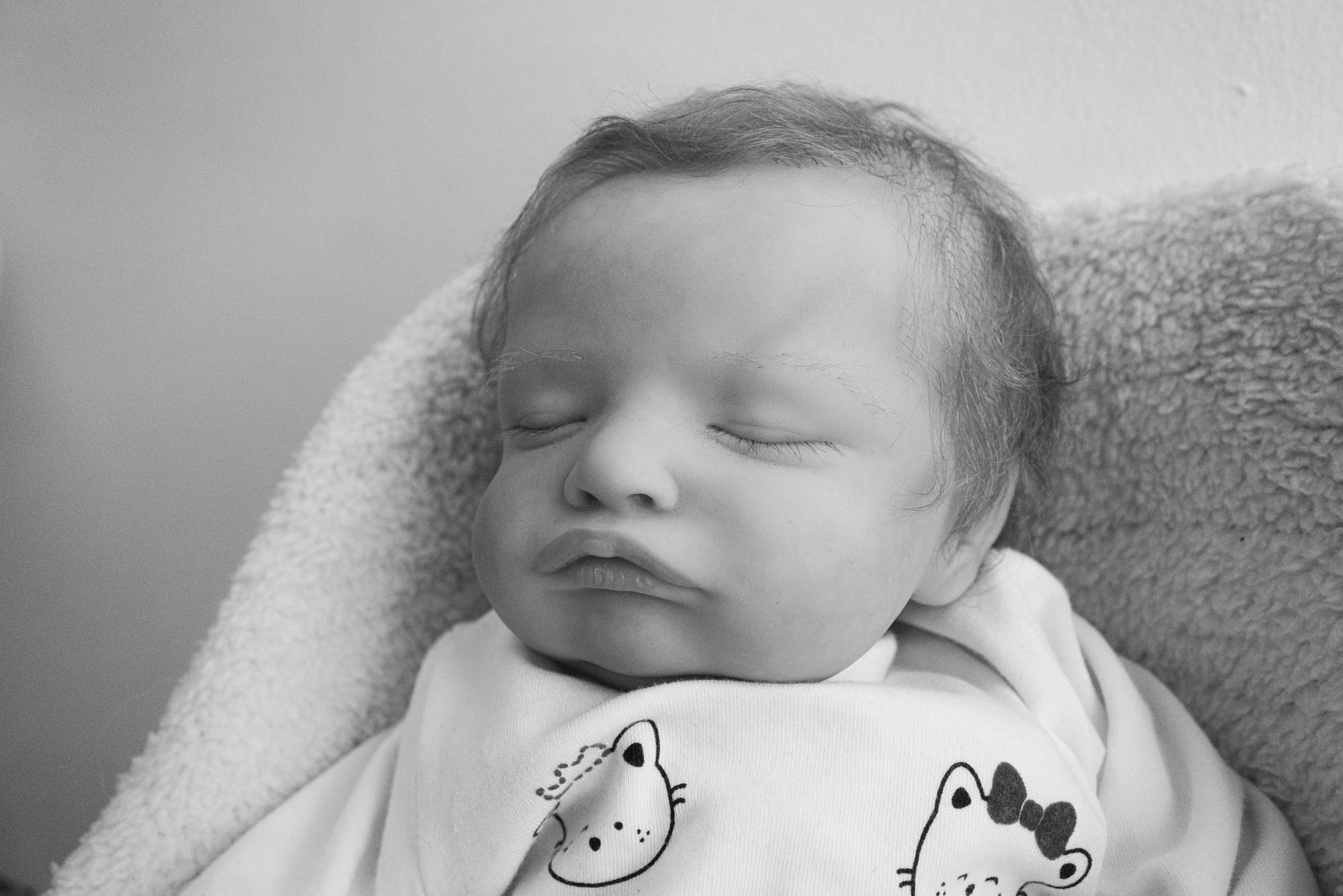


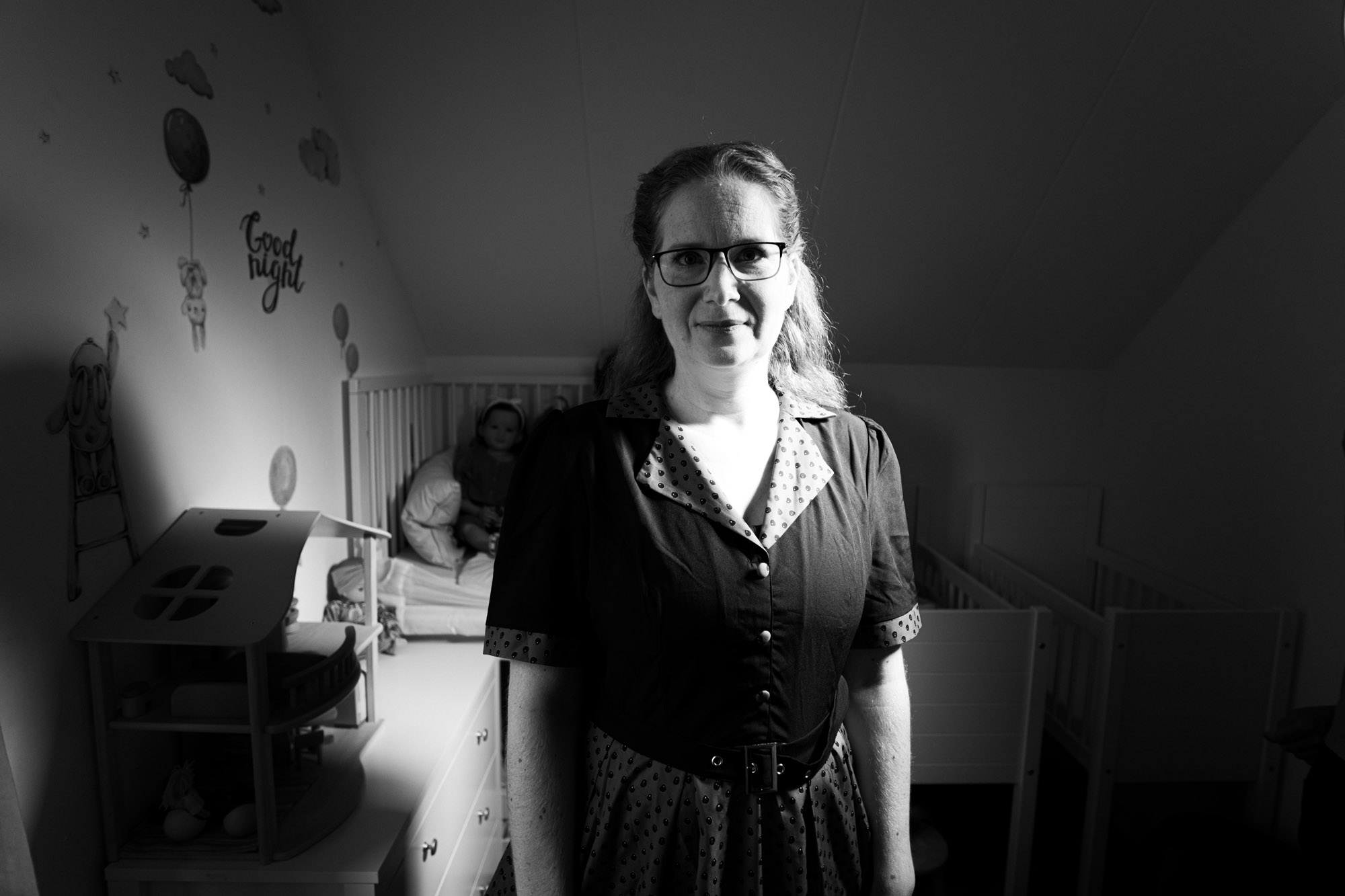
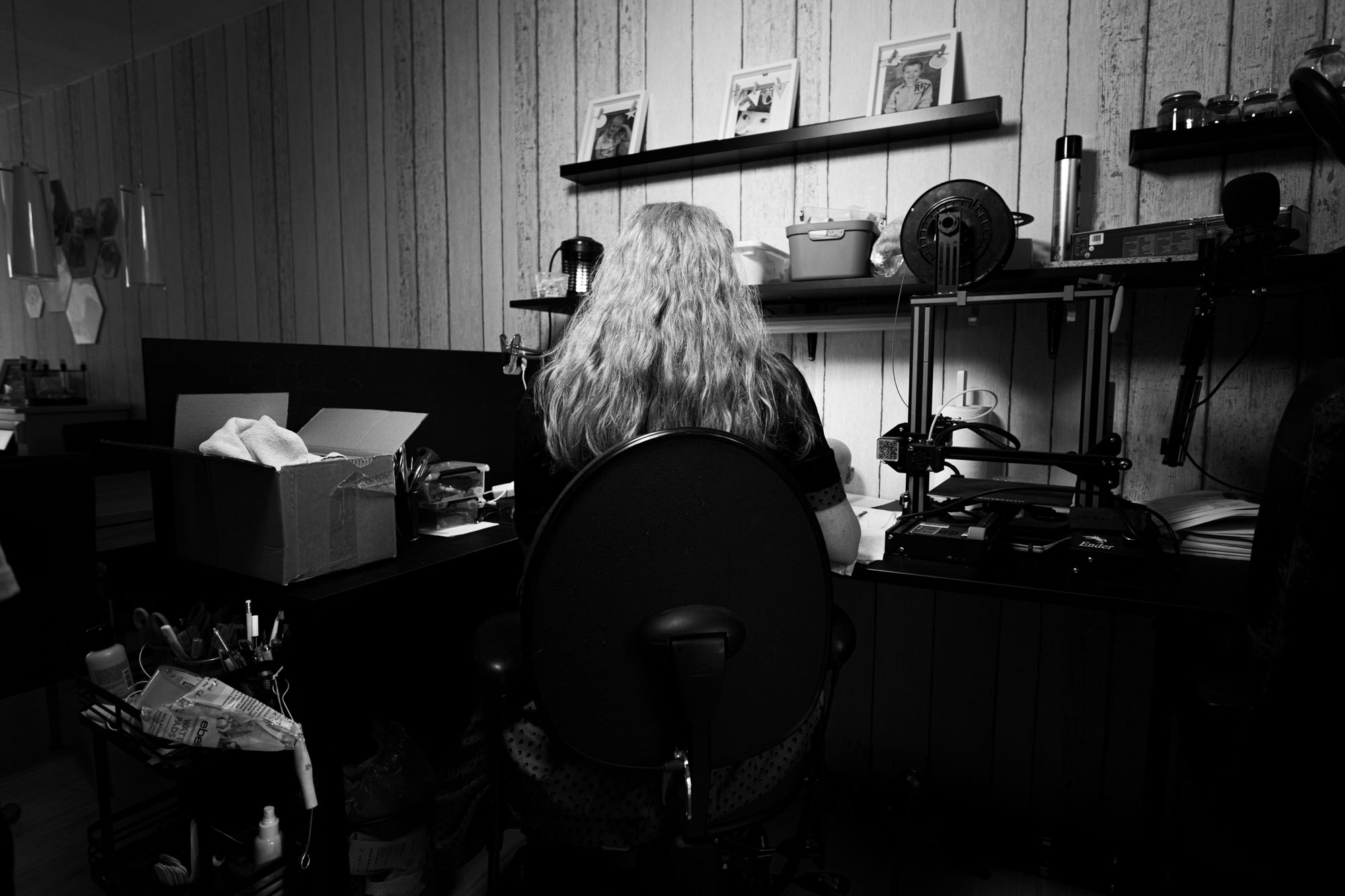
Now, Debbie works from her studio, making and repairing dolls. She fixes all kinds, each with its own story and meaning. When she makes new dolls, she puts care into every detail, giving each one a unique character. Dolls for therapy are made with extra thought, sometimes to help with specific feelings or memories.
Debbie shares her work online, which started as a way to cheer up her daughter. While many people find joy in her videos, she also faces unkind comments. But Debbie has faced tough times before. She focuses on the good – the people her dolls help – and won't let negativity stop her from doing what she loves.
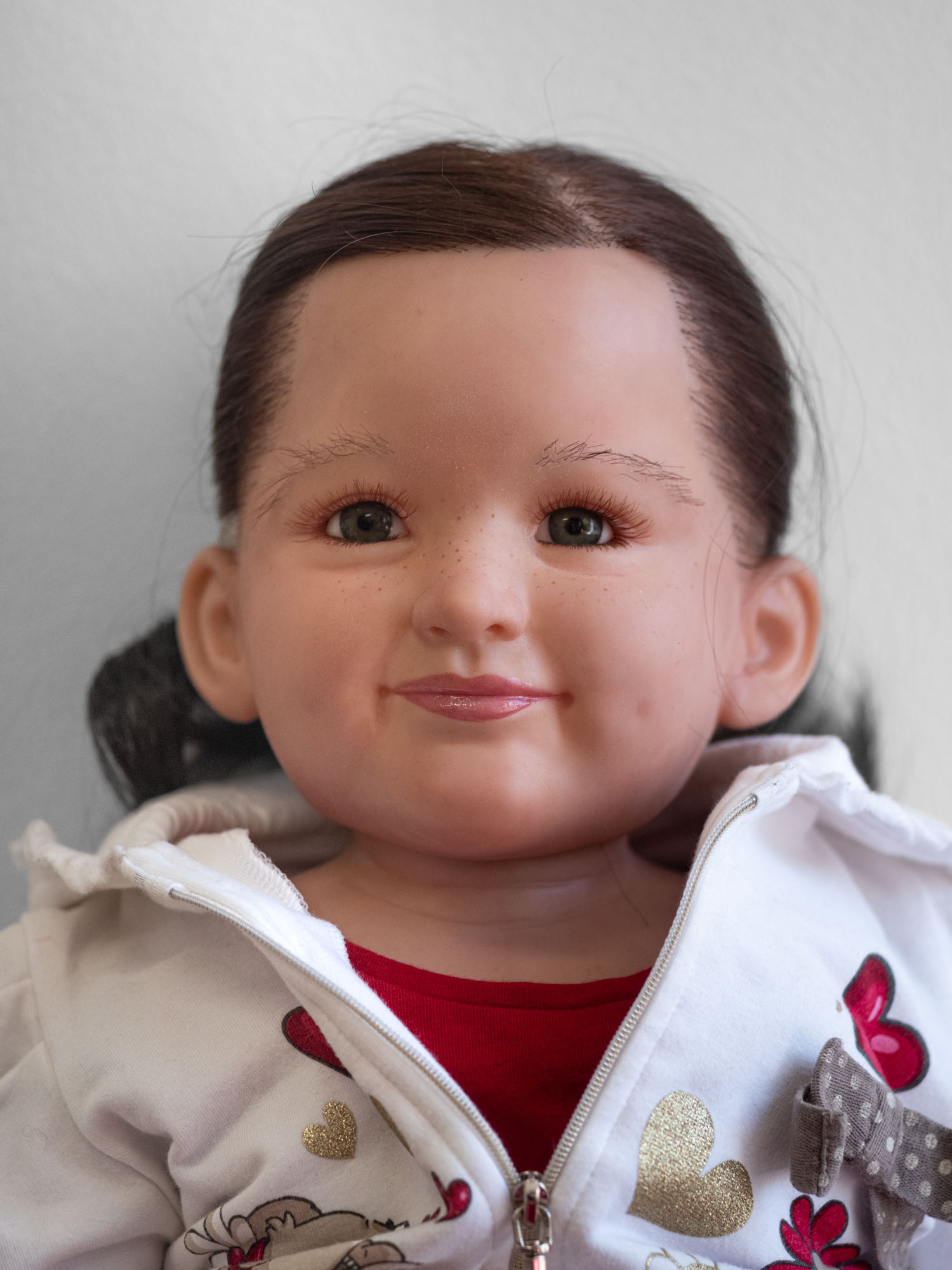
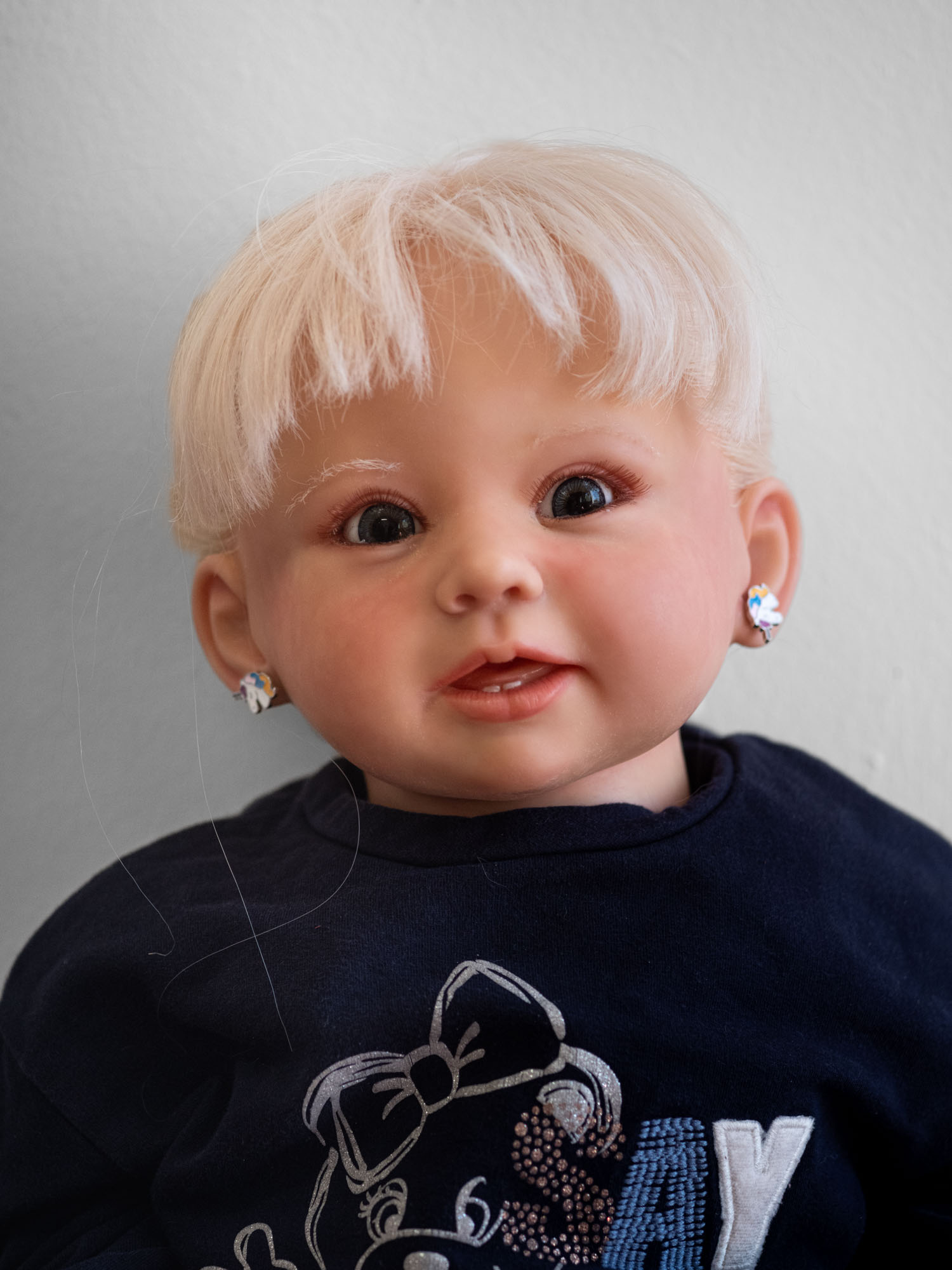


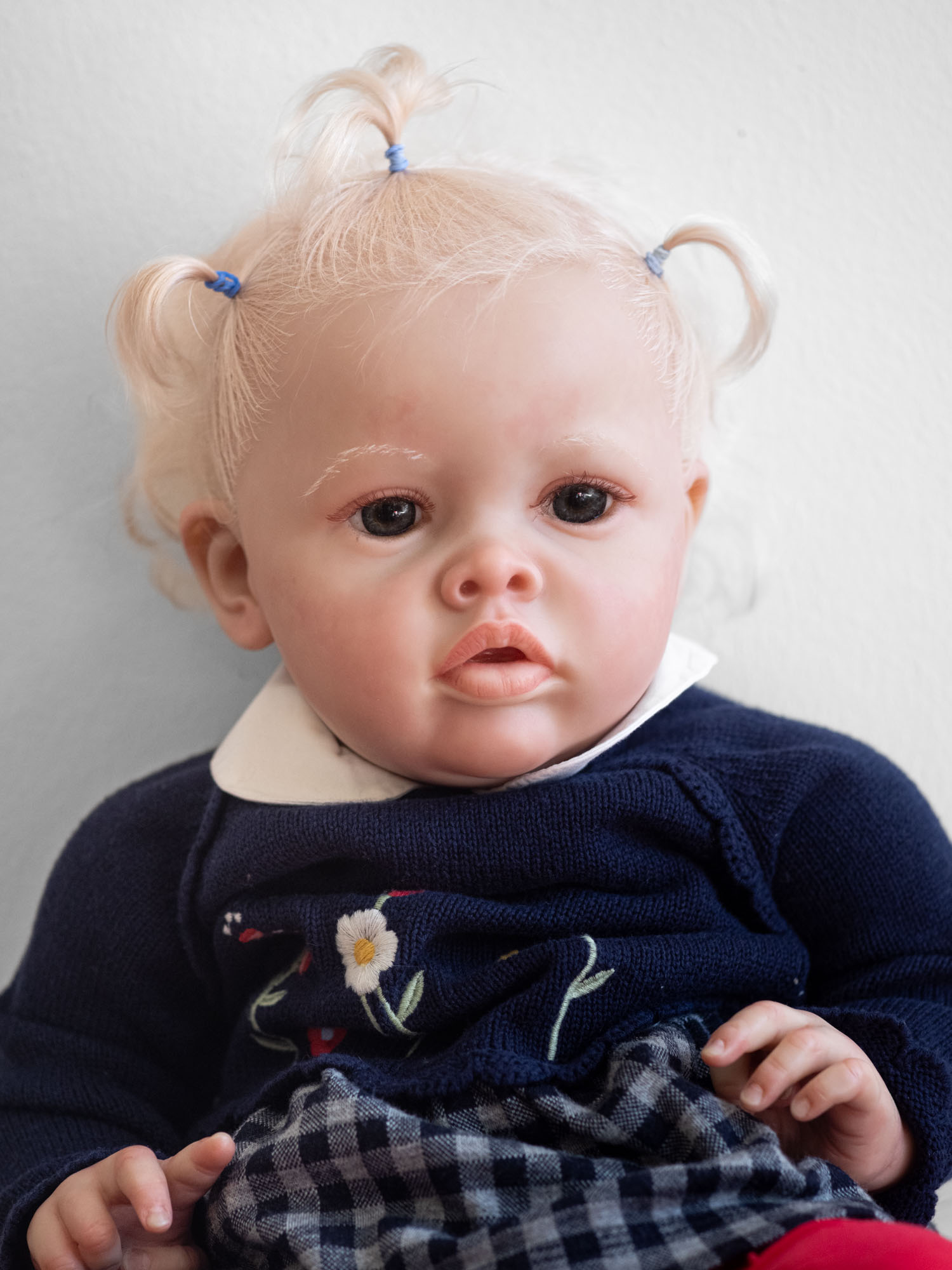
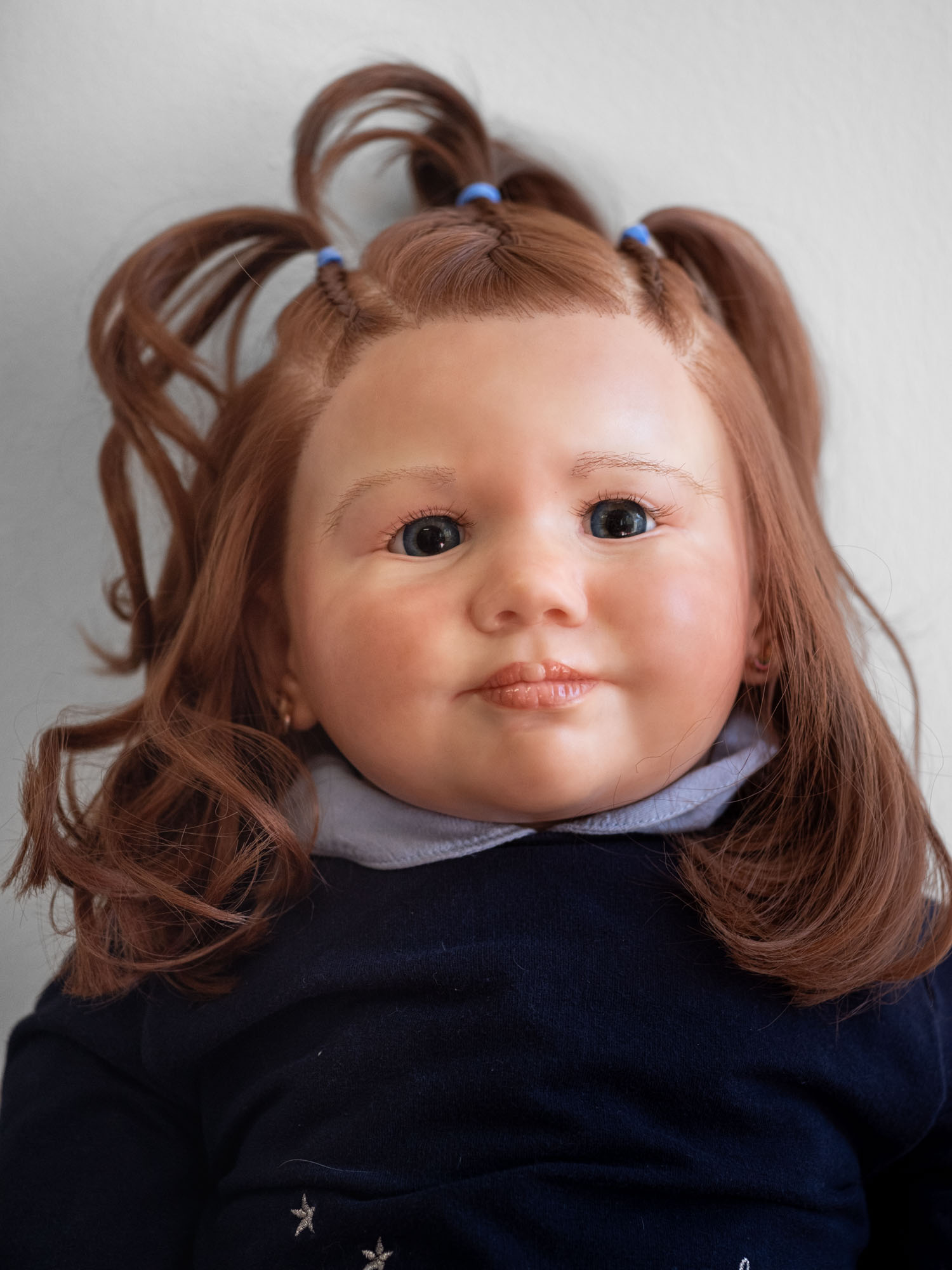

Debbie is dedicated to her work, showing people how dolls can help and standing up for her passion. In her neighborhood, she’s known as "the doll girl," met with kindness. She is determined to make a difference, bringing comfort and connection to others through the power of her dolls.Because for some people, a doll is not just a toy. It is a lifeline.