October 2023 - Mumbai, India
the blind spot
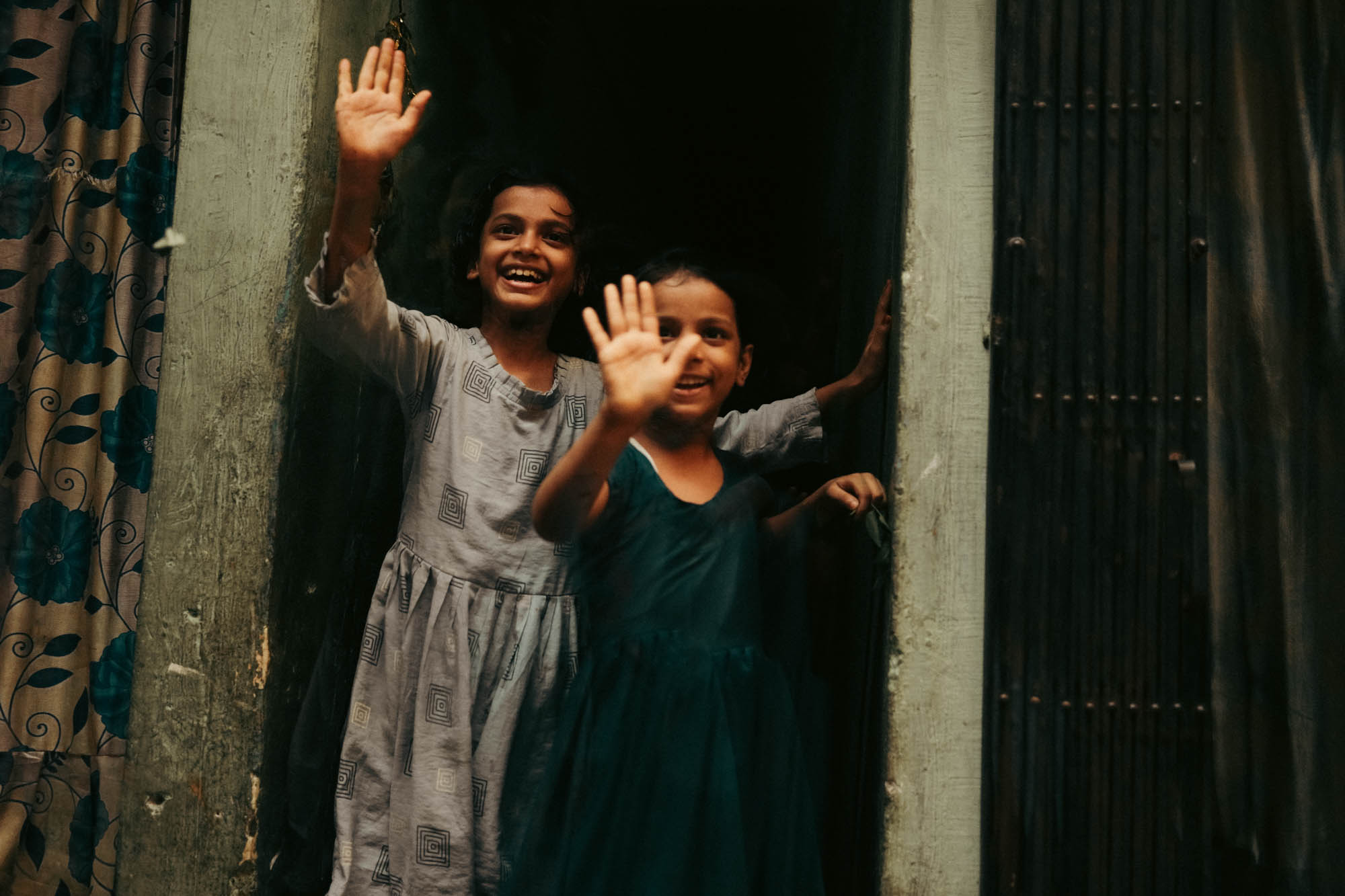
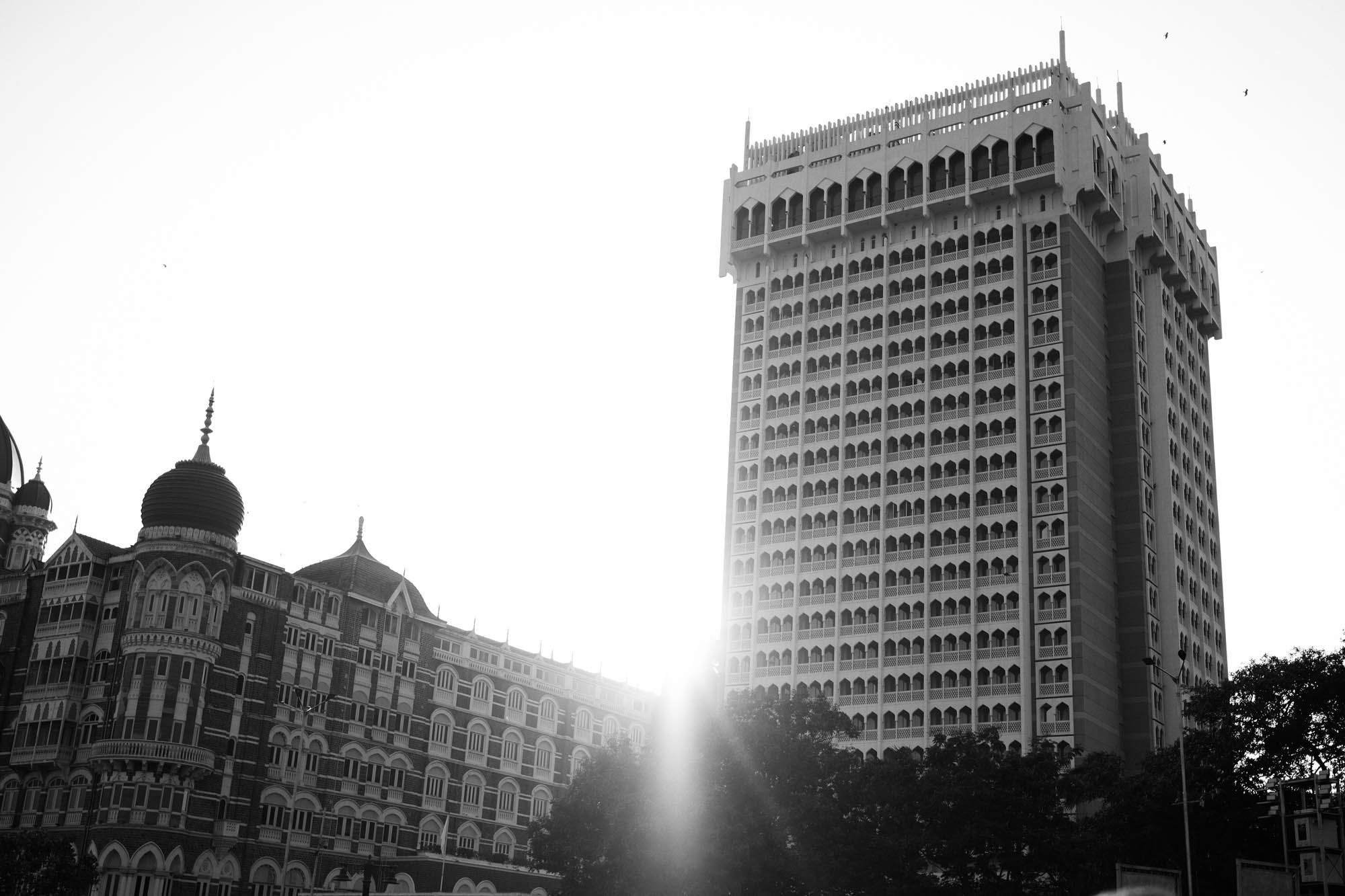
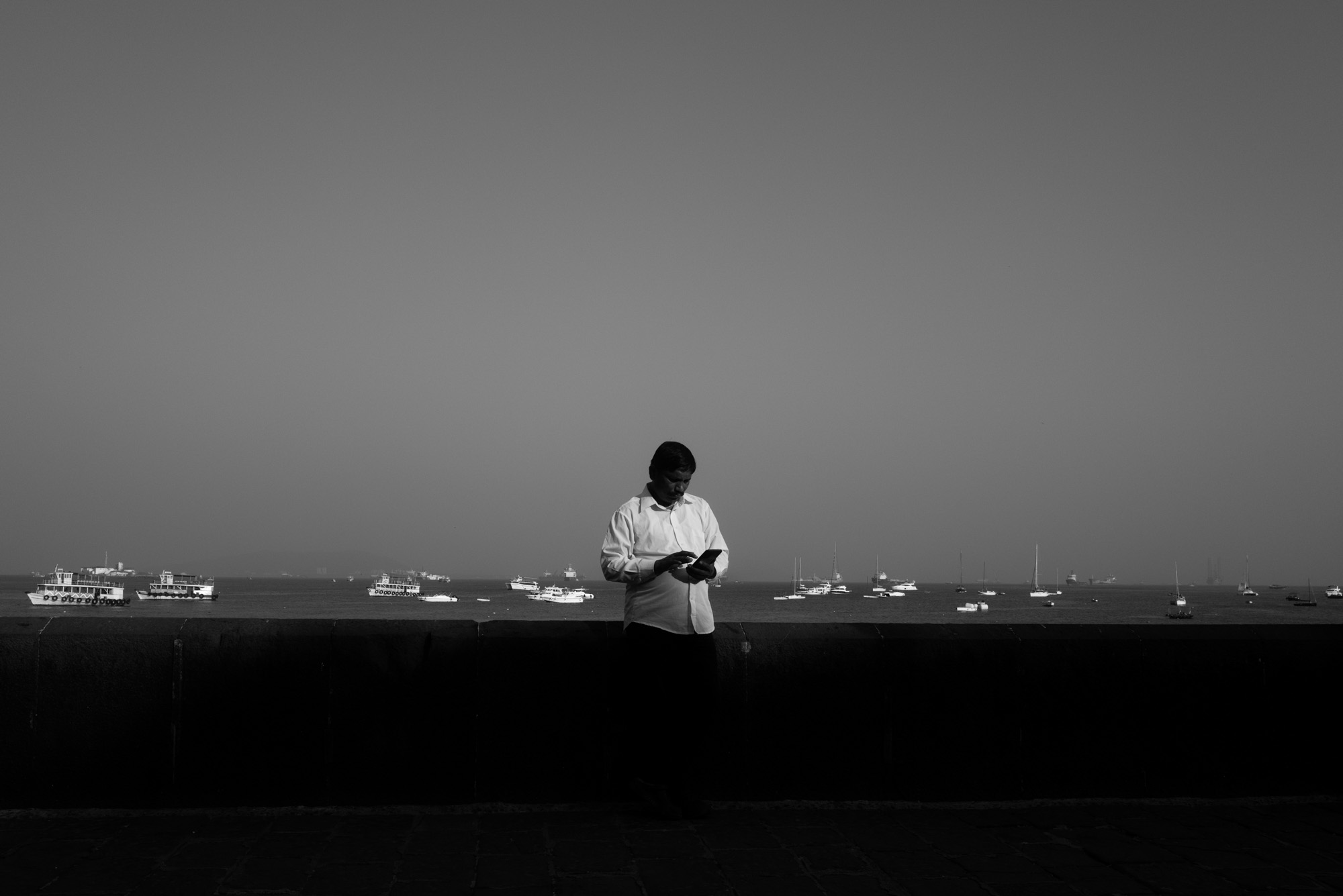
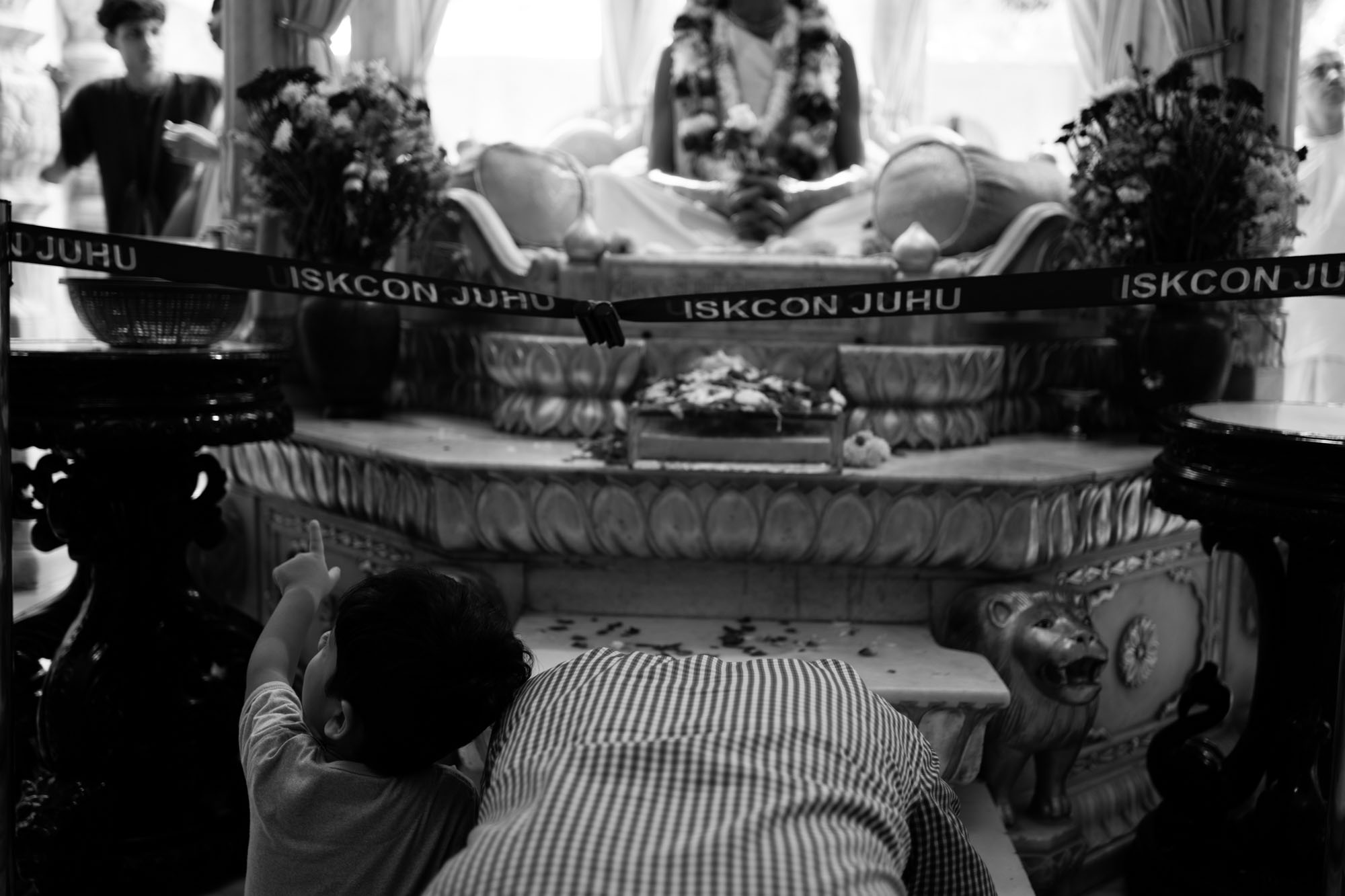
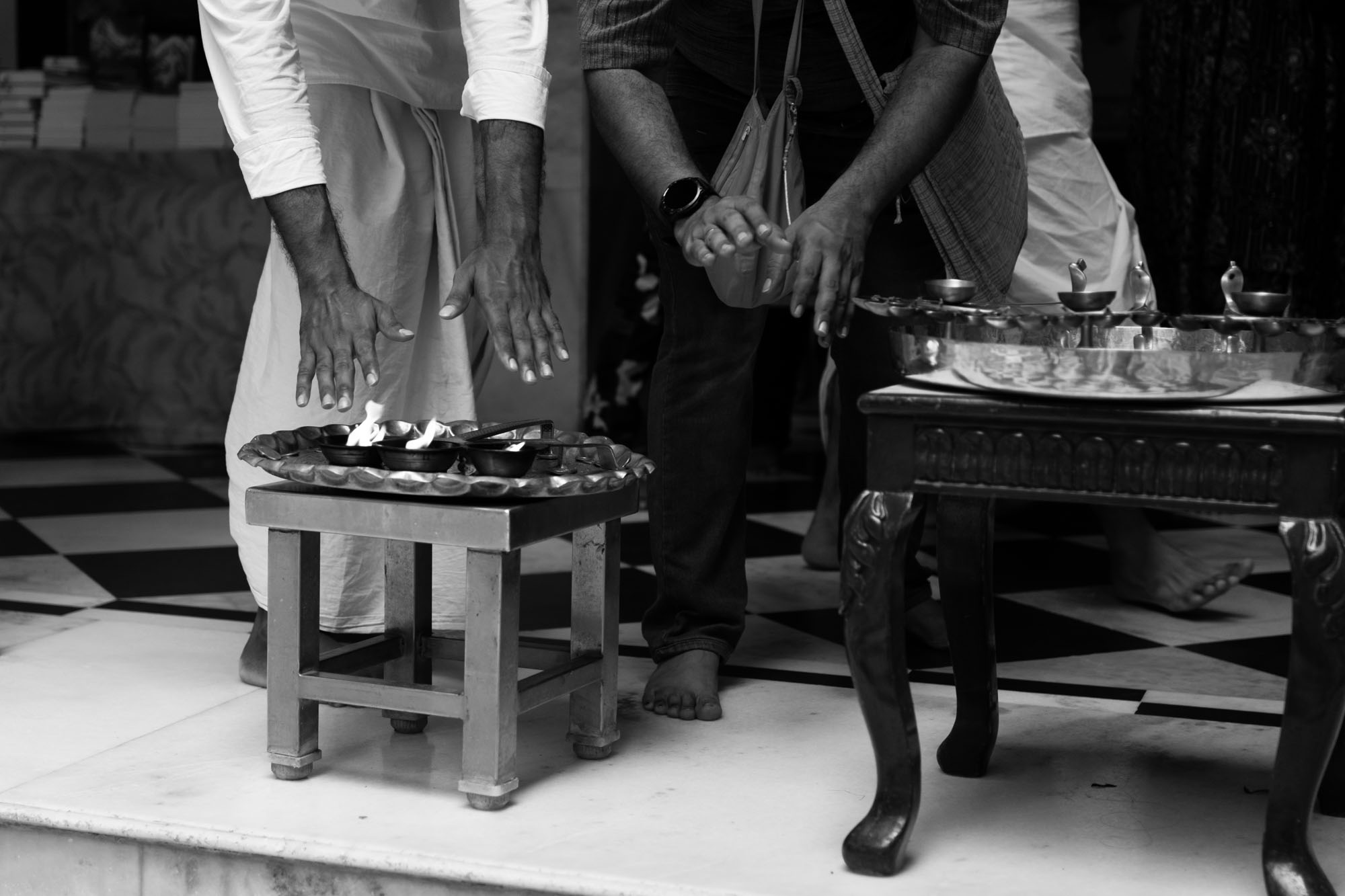
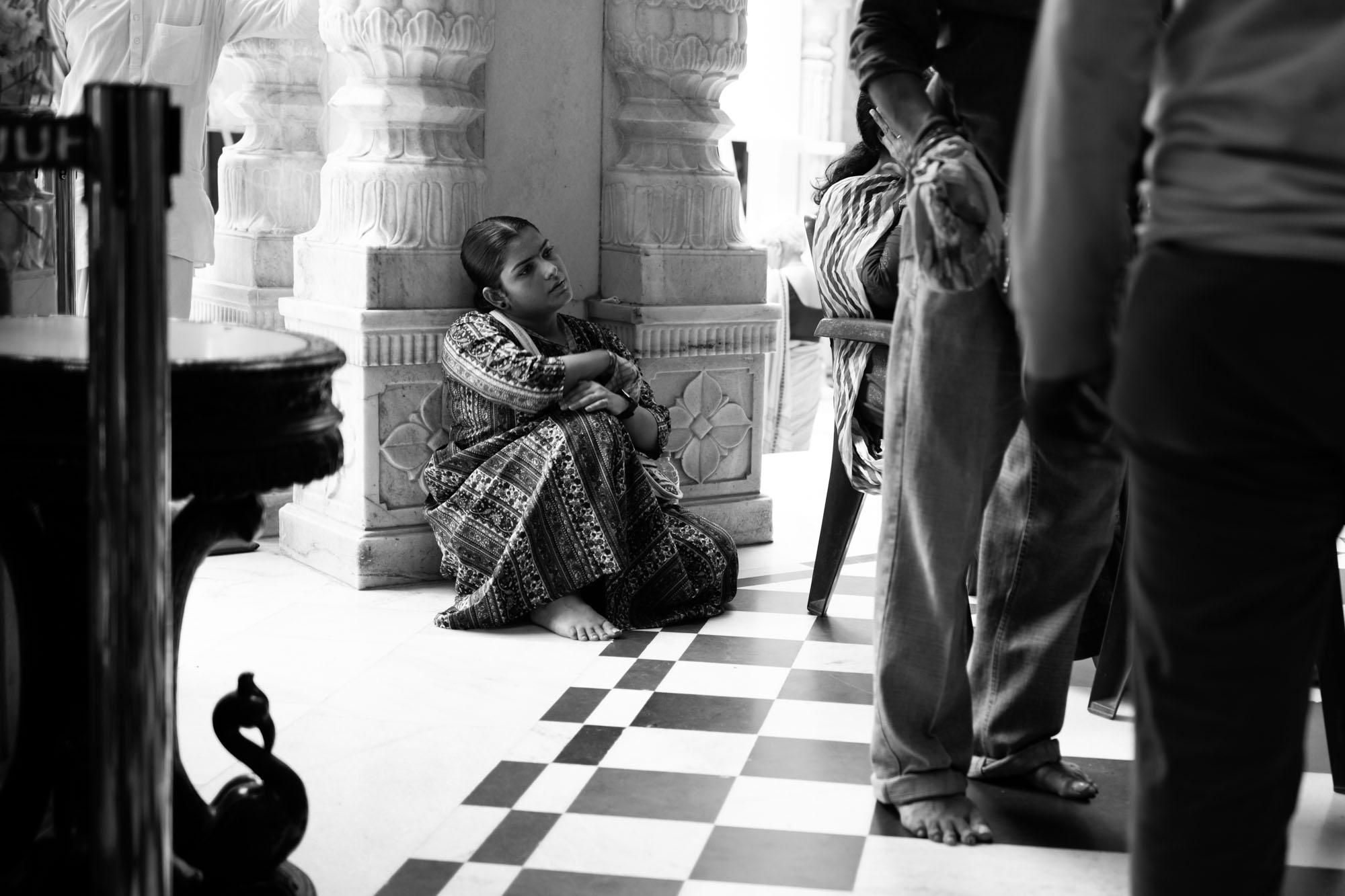
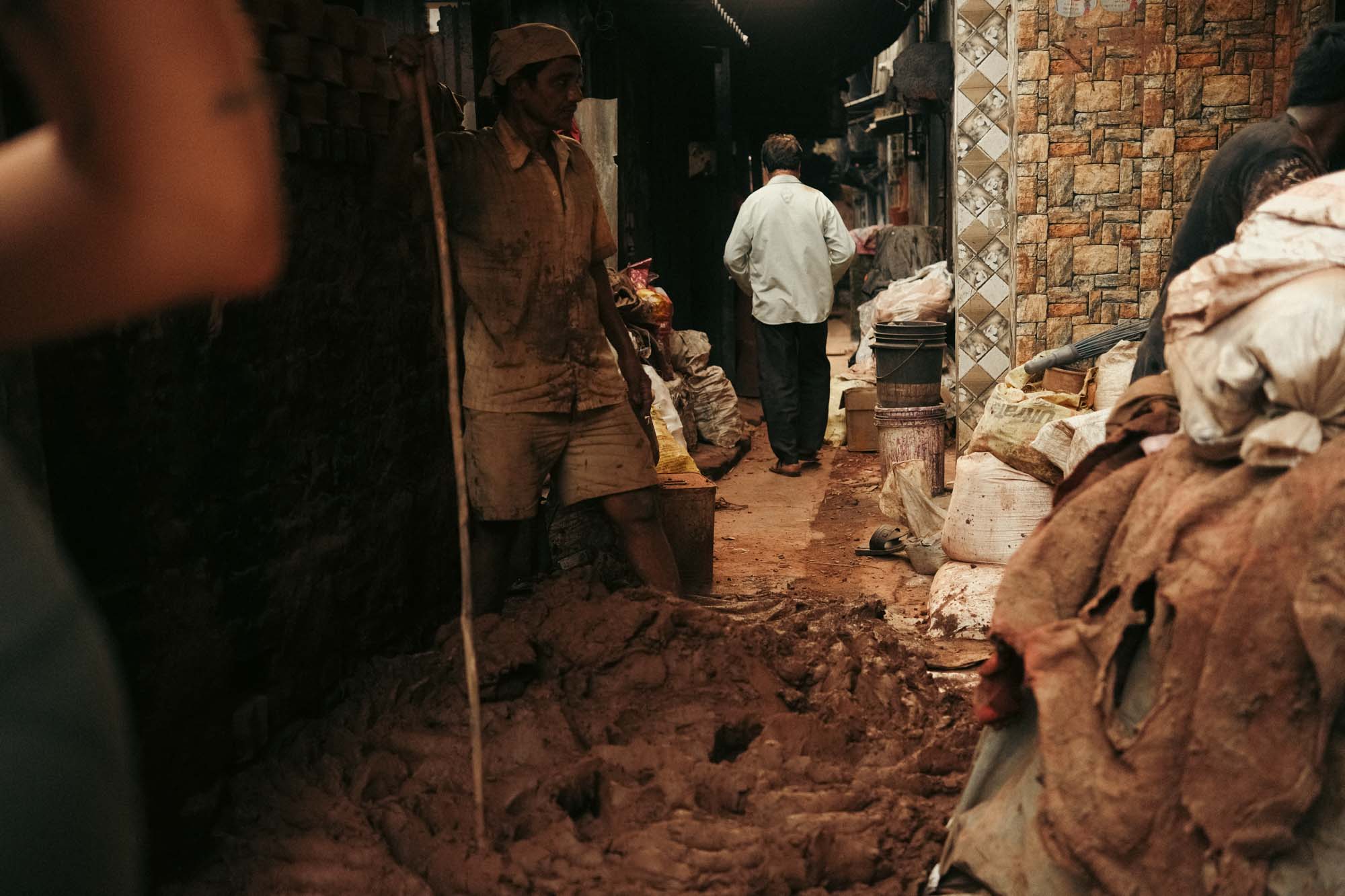
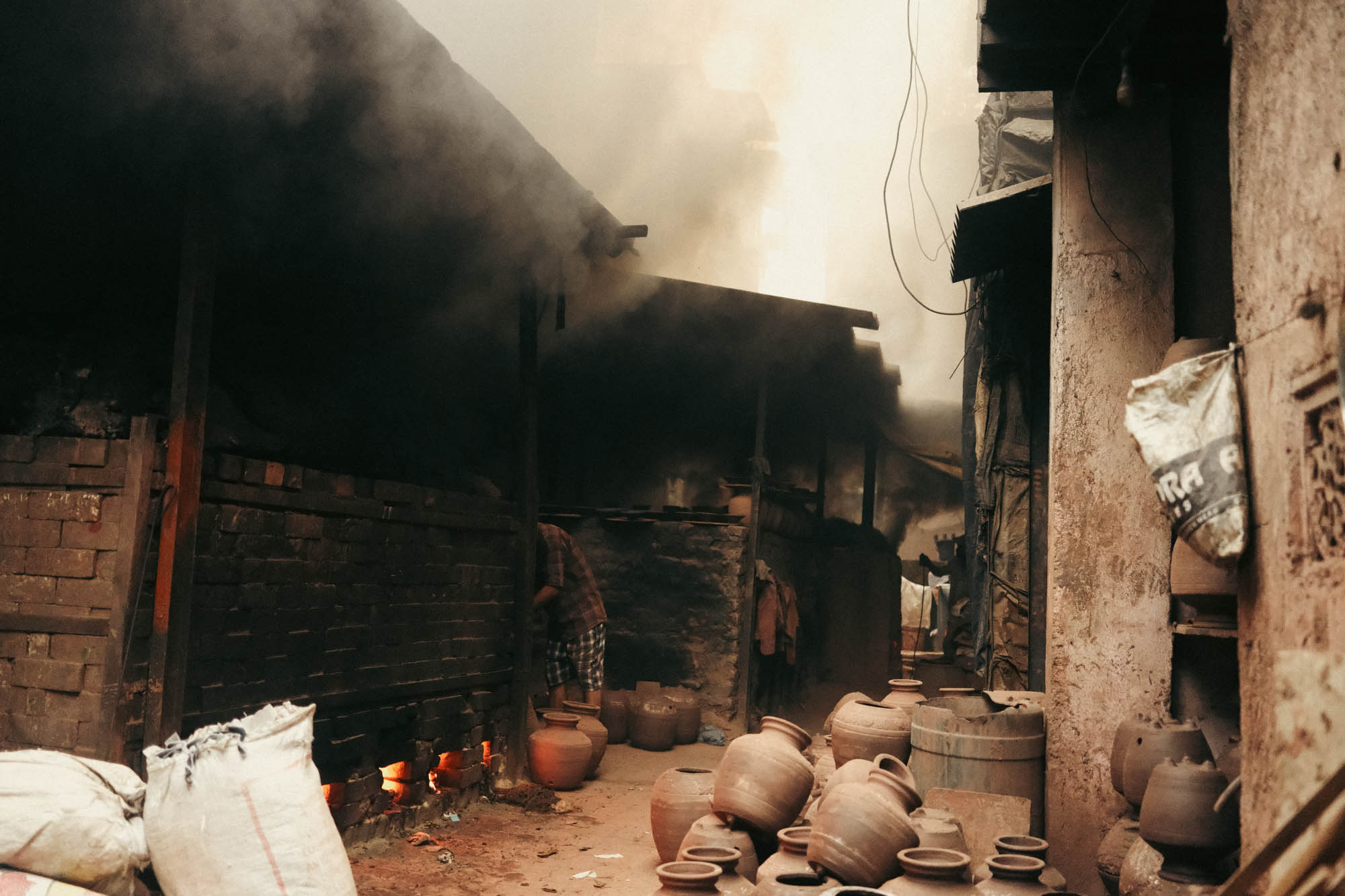
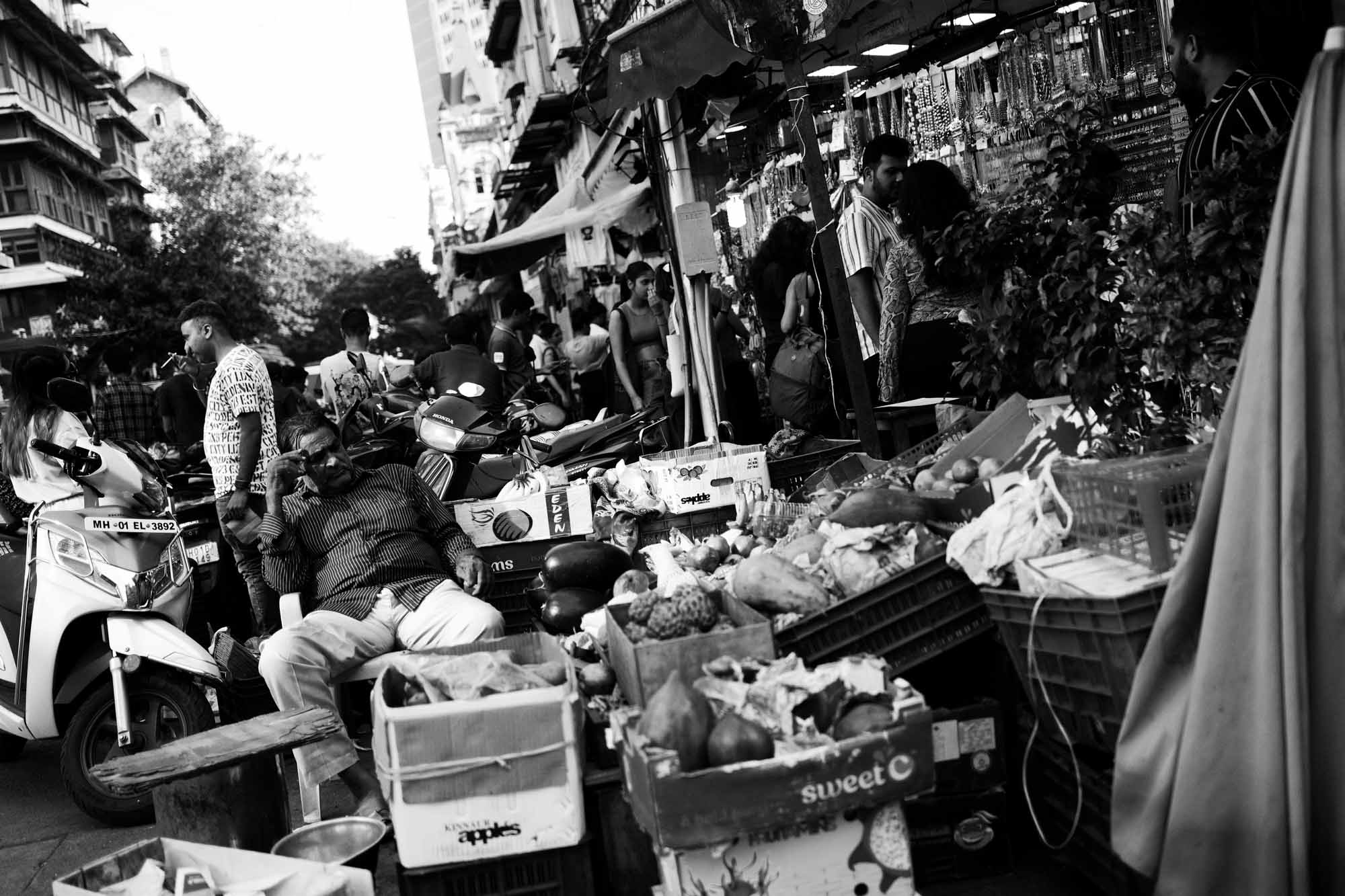
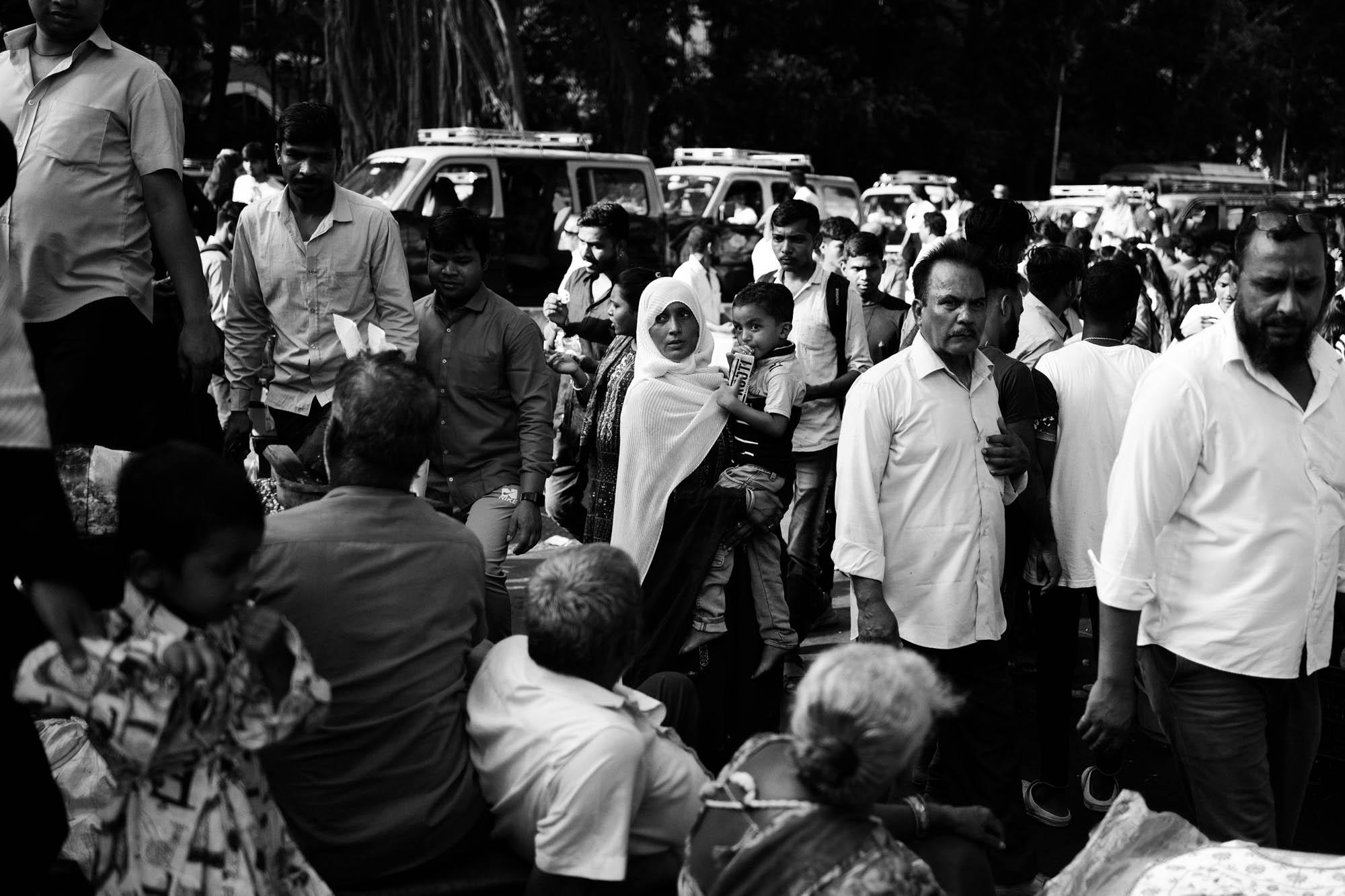
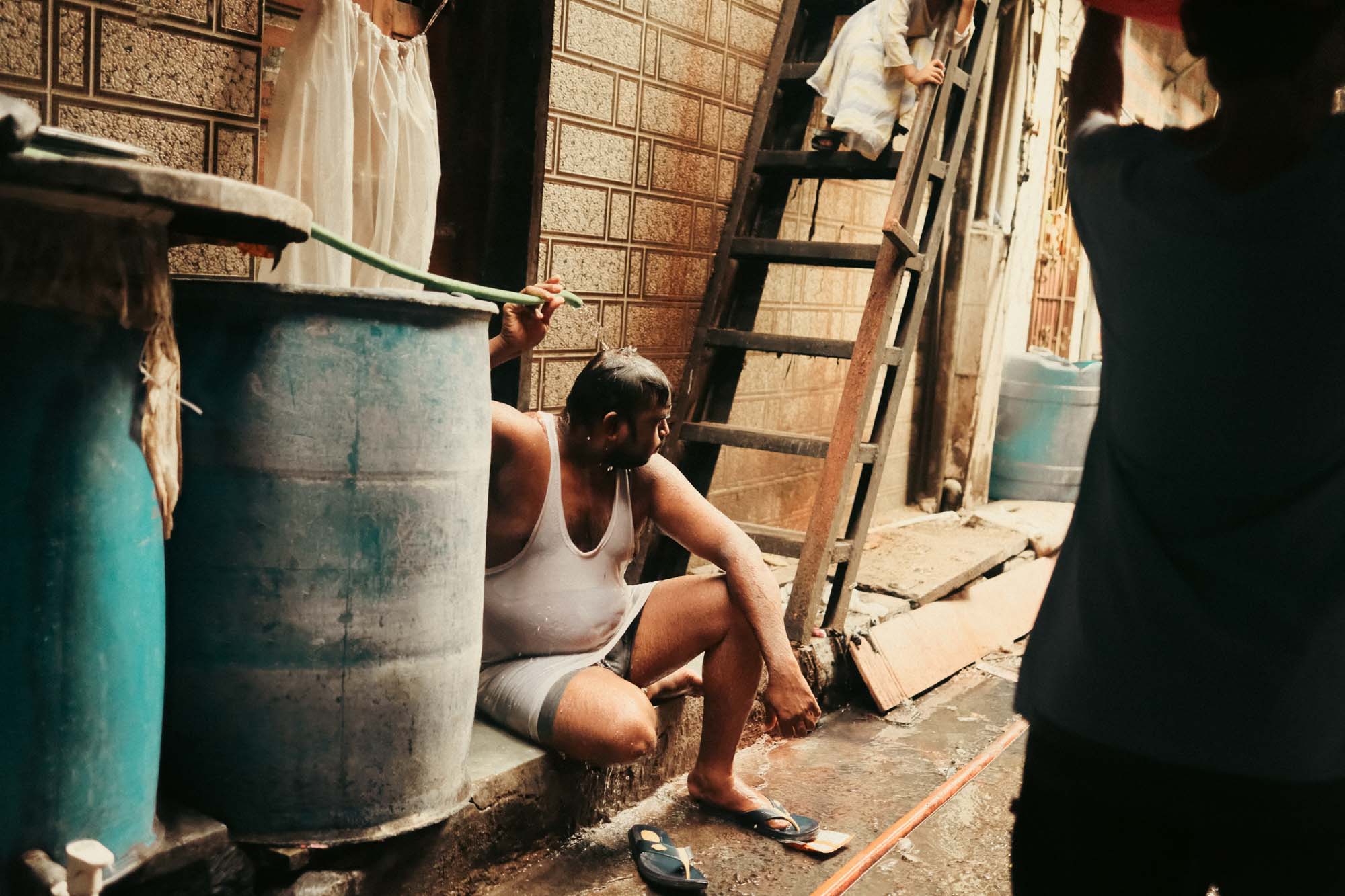
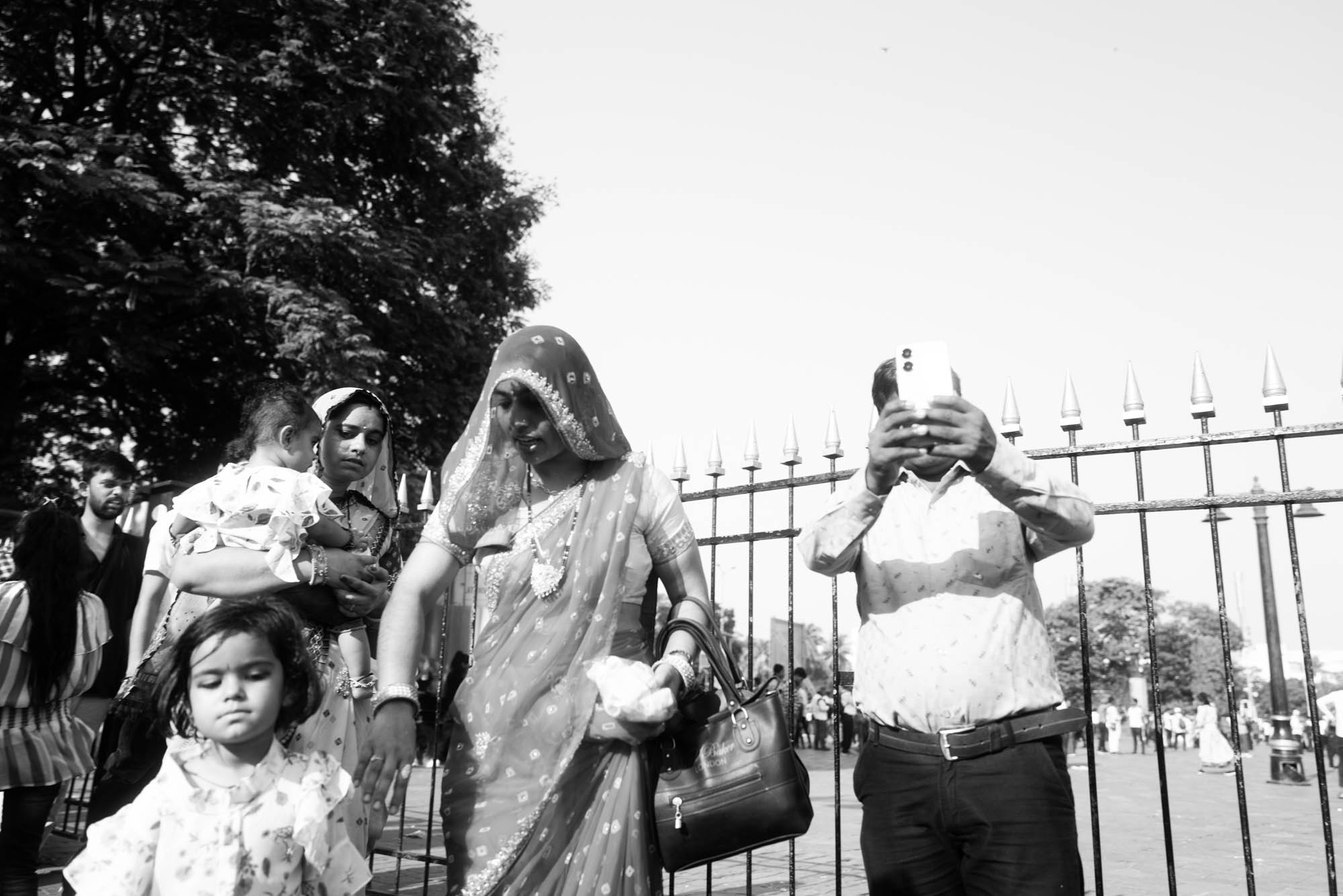
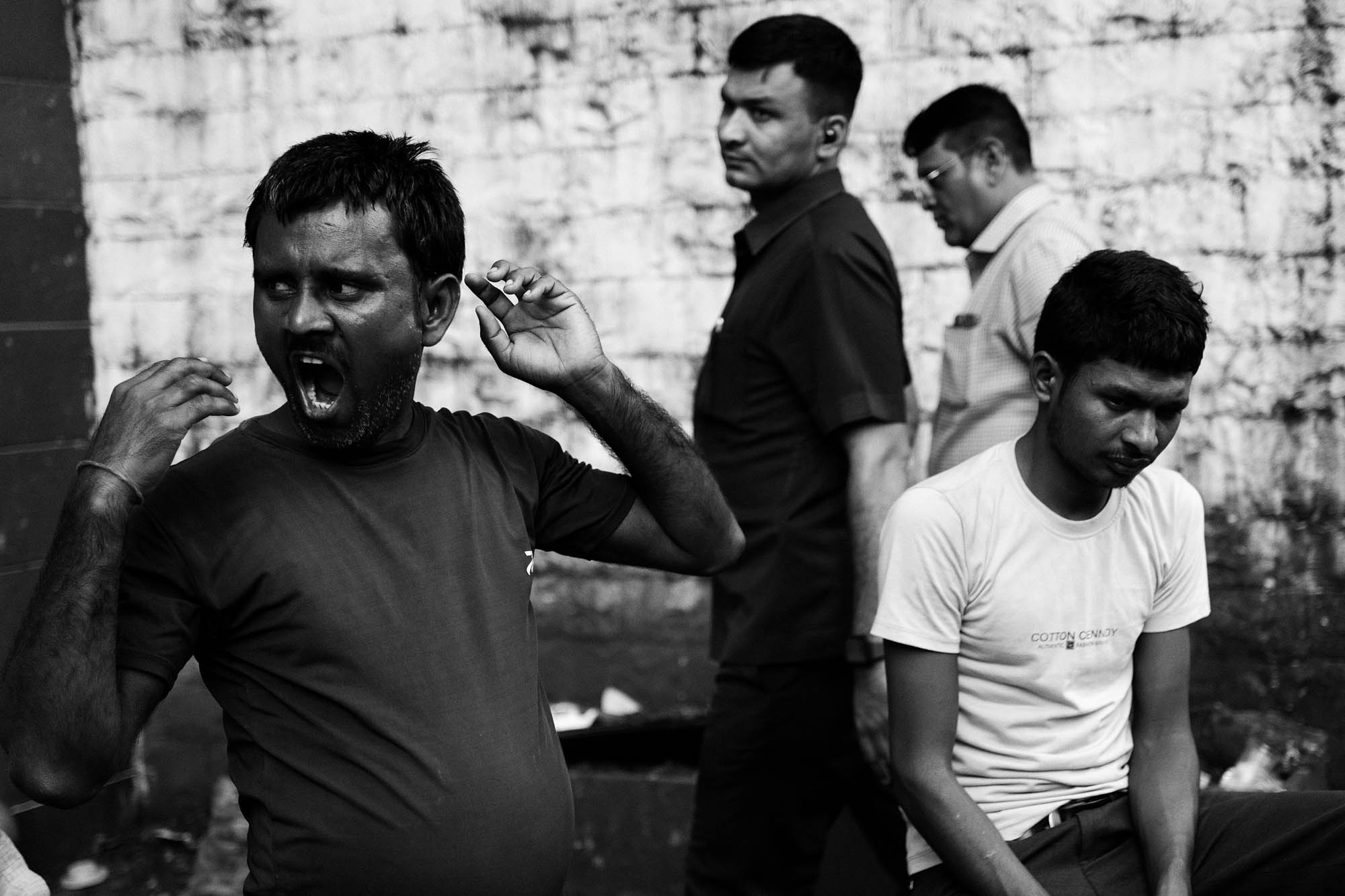
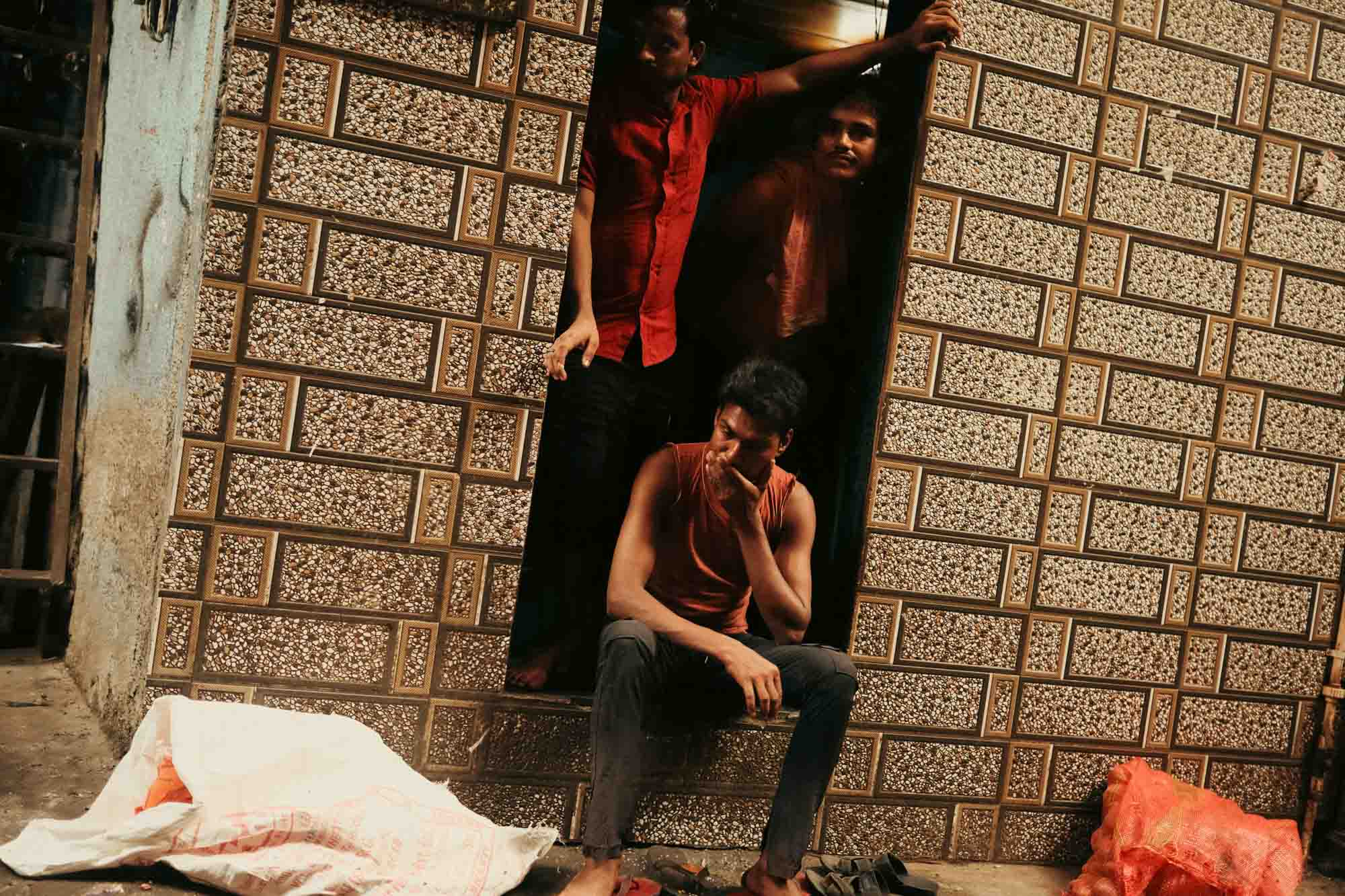
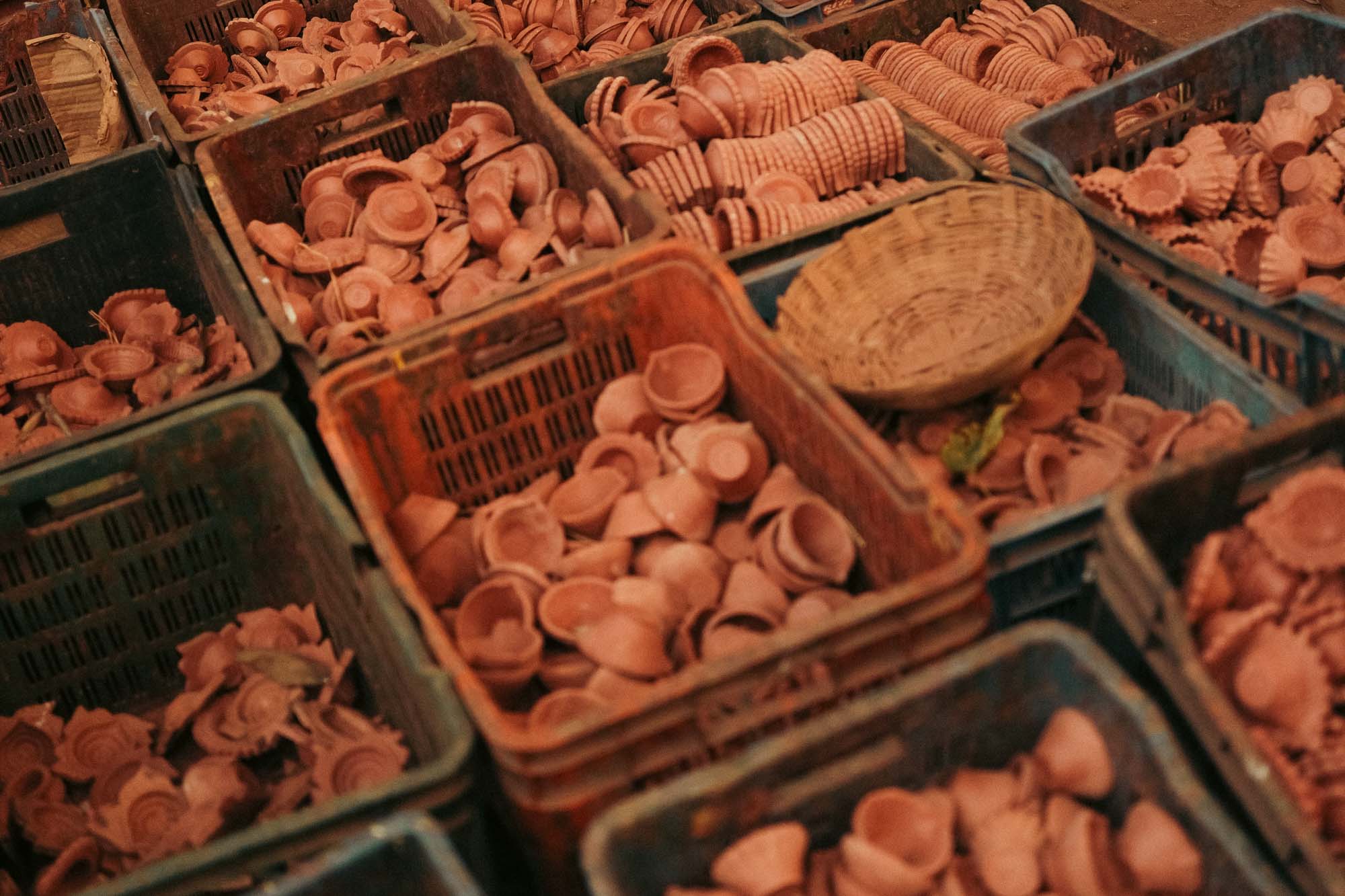
This project is a first glance of the stark contrast between Mumbai and Dharavi, both in perception and reality. Mumbai’s elite often view Dharavi with disdain, considering it a place of crime and filth, the images and narratives presented here try to challenge these stereotypes. The project visually represents this divide by showcasing Mumbai in black and white, while Dharavi is depicted in vibrant color, symbolizing its rich culture, resilience, and economic vitality.

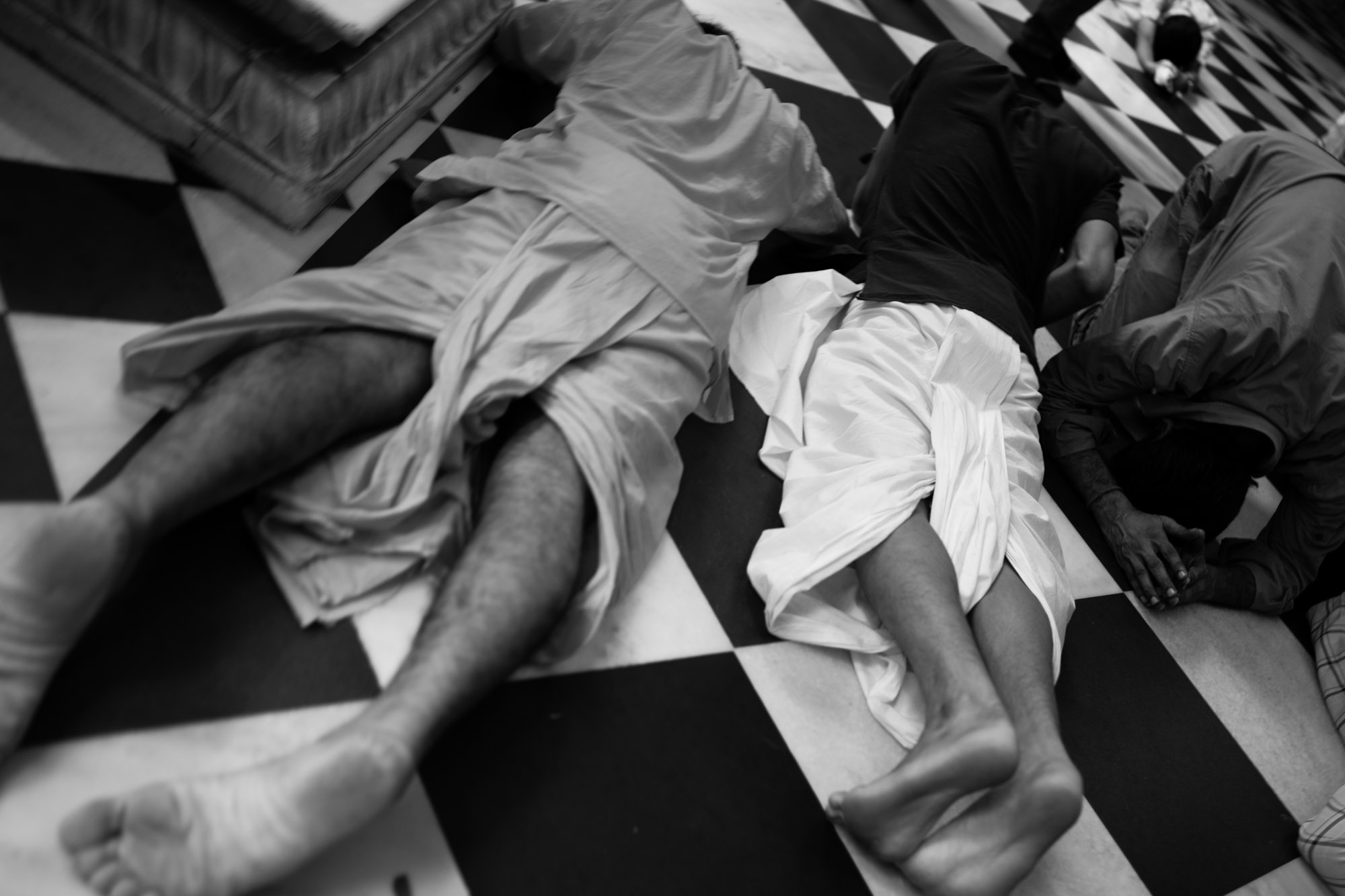
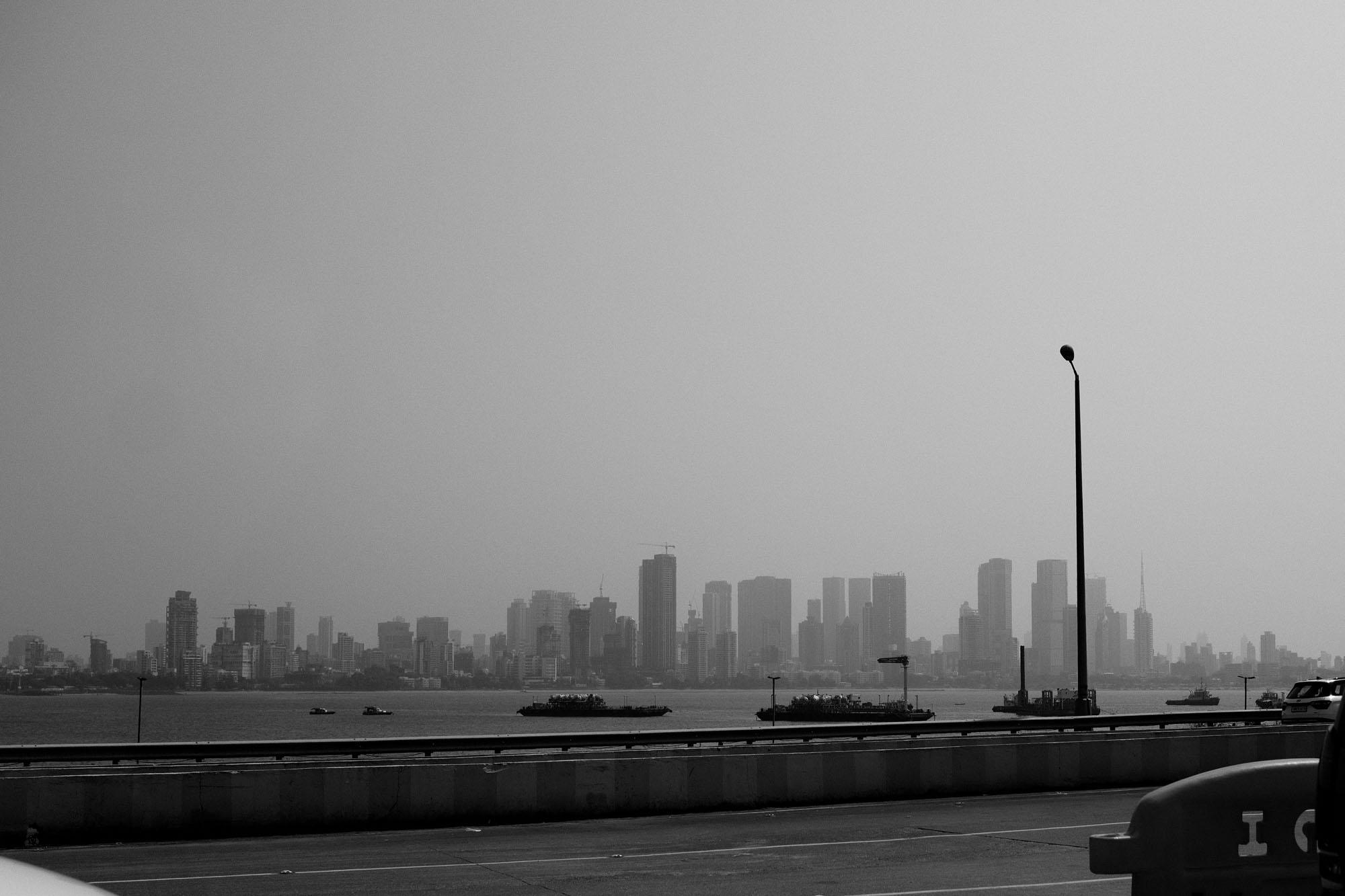
Mumbai, the financial capital of India, is one of the most populous and dynamic cities in the world. Home to over 20 million people, it is a melting pot of cultures, languages, and traditions. As the heart of India's economy, Mumbai houses the country’s largest stock exchange, numerous multinational corporations, and a thriving film industry: Bollywood. The city is also known for its vast socio-economic contrasts, where luxury skyscrapers stand alongside informal settlements. Mumbai is deeply rooted in its diverse religious and cultural heritage, with Hindus, Muslims, Christians, Sikhs, Jains, Buddhists, and other communities coexisting.
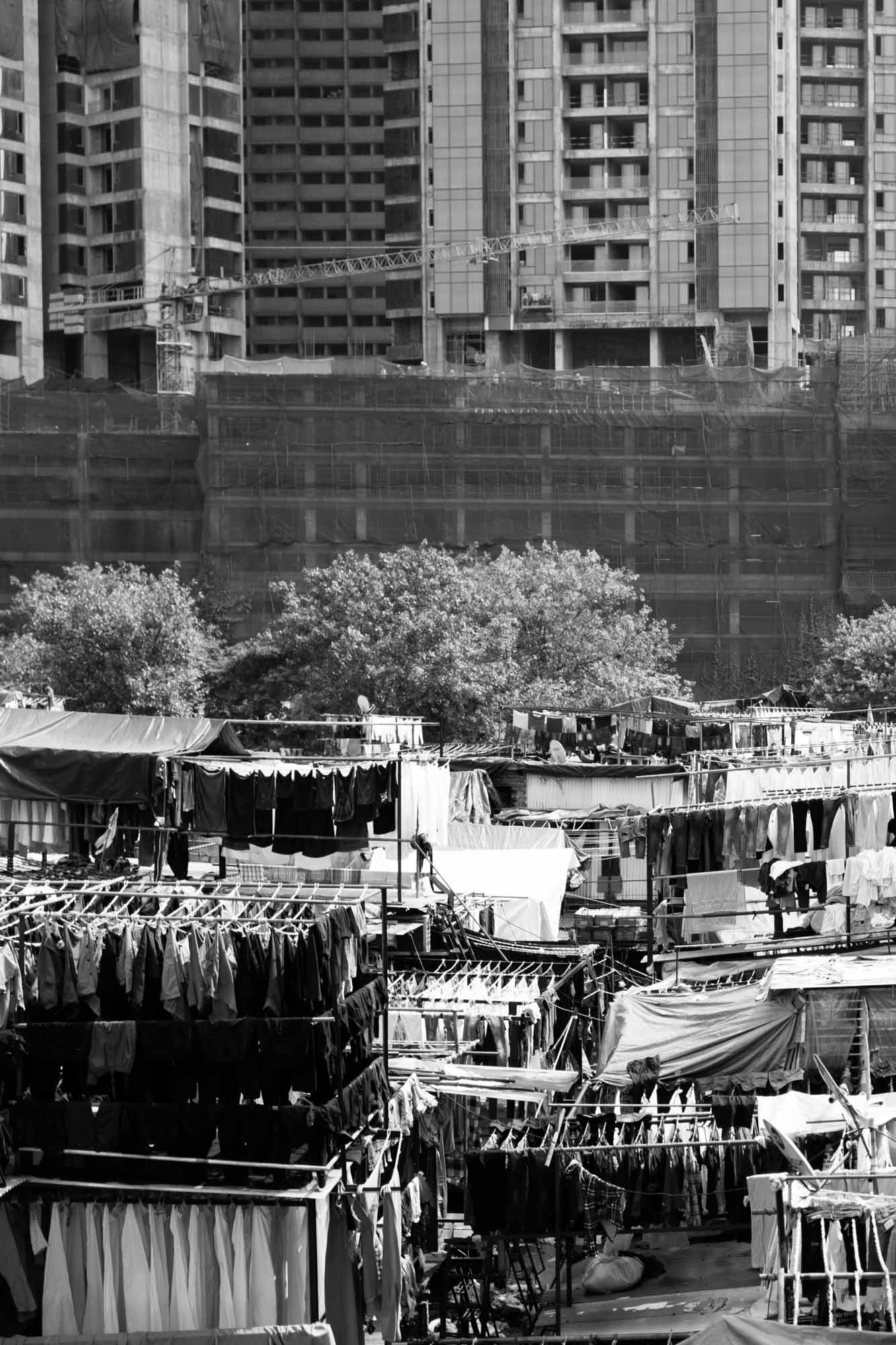
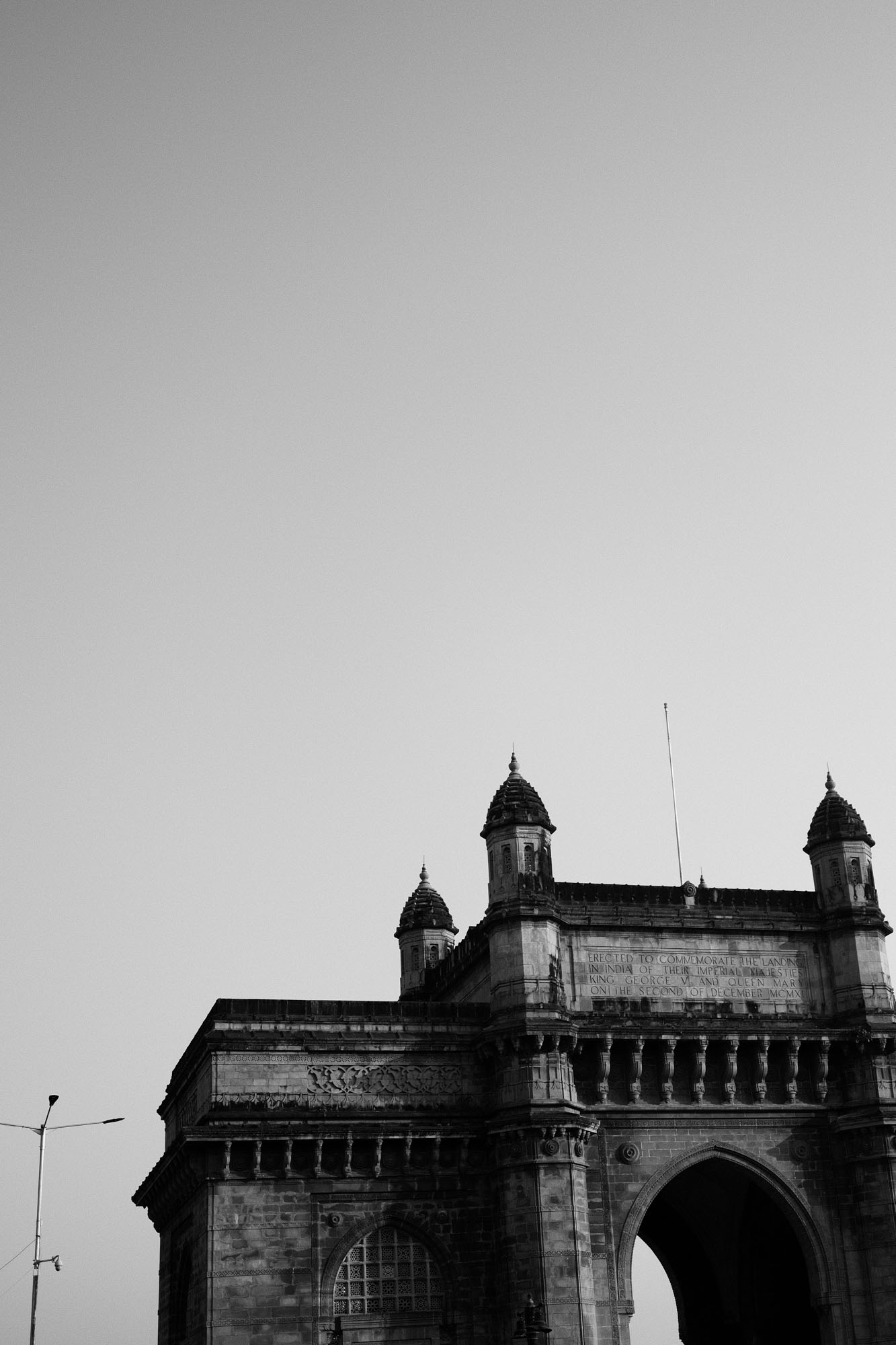
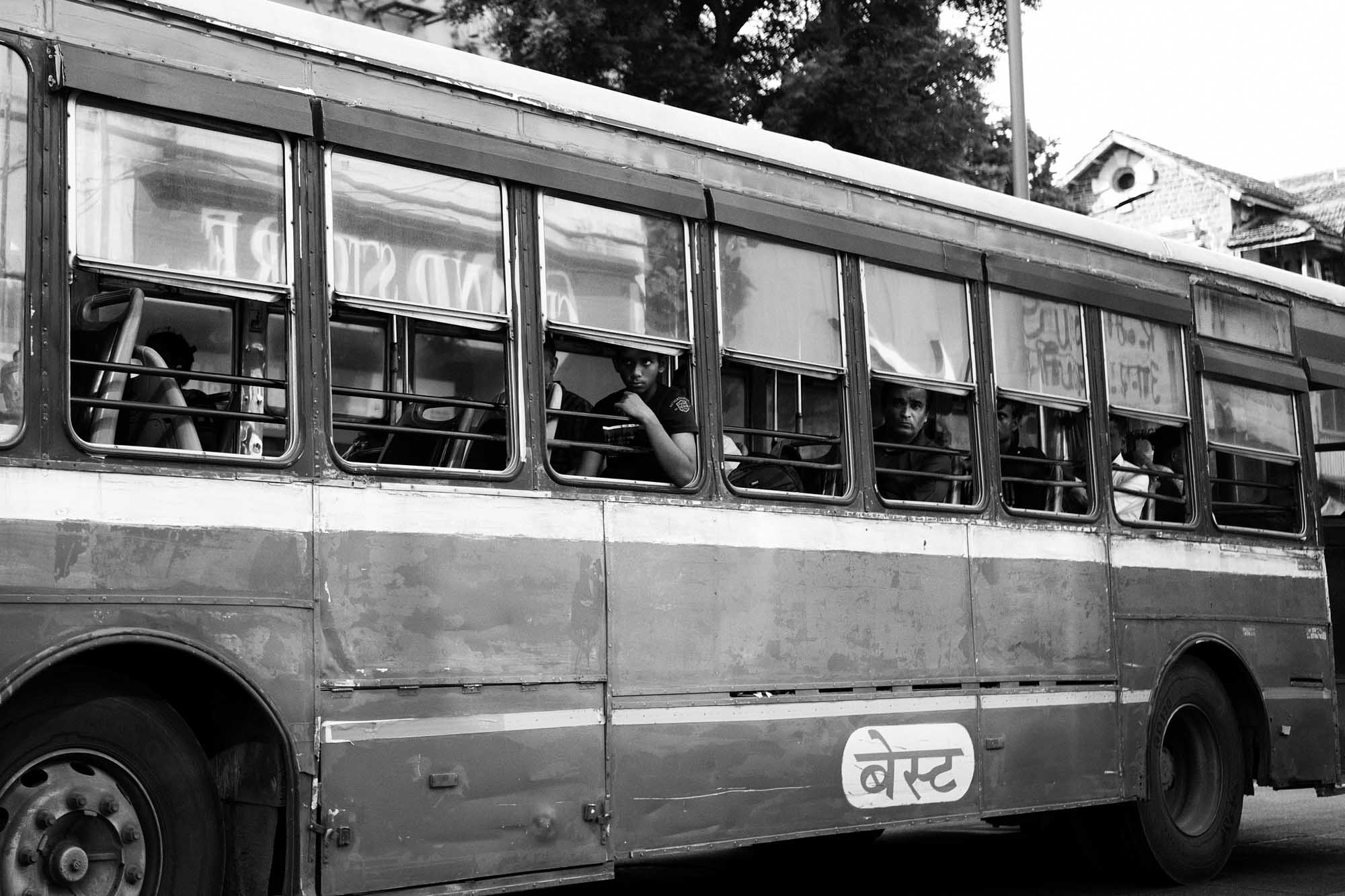
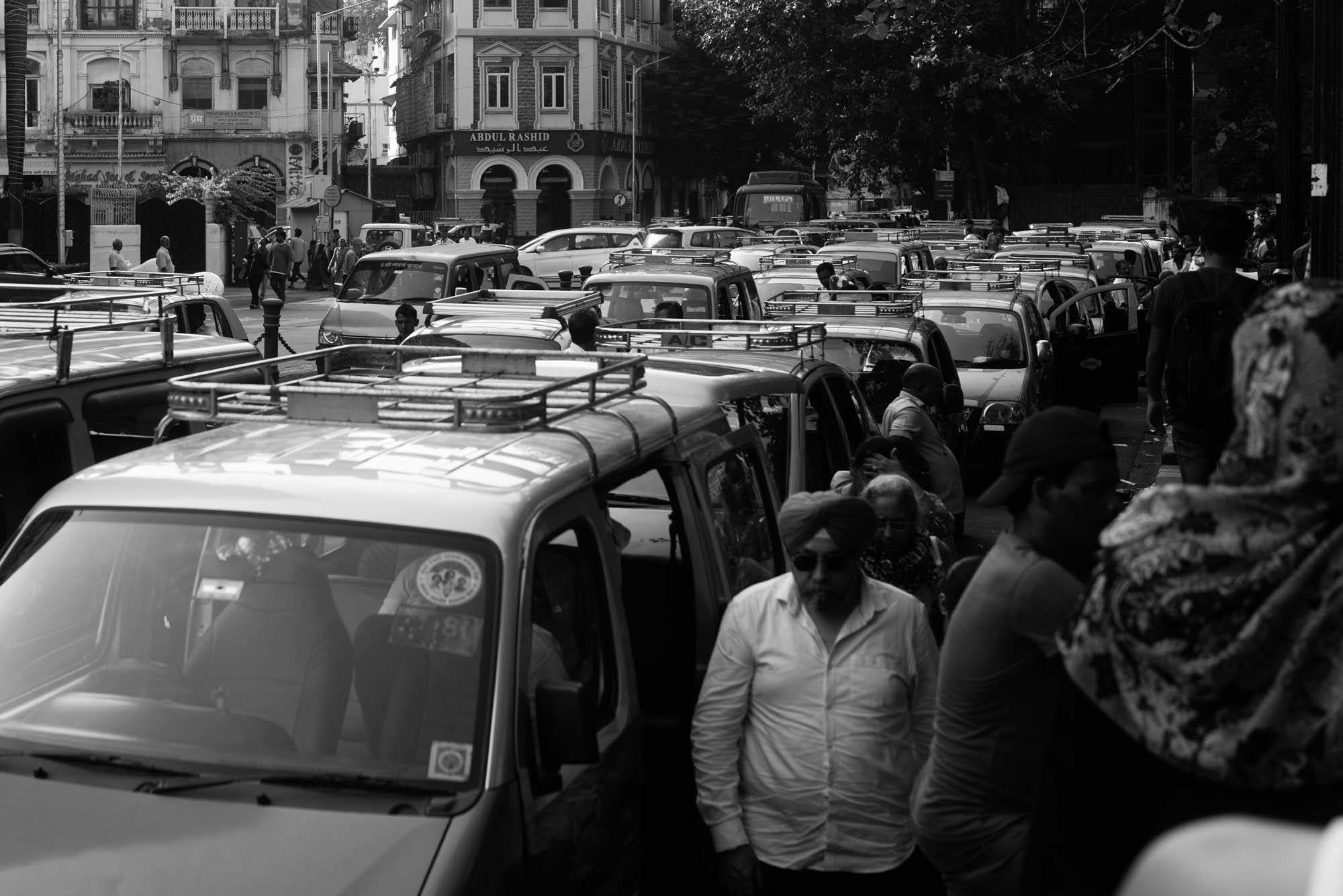
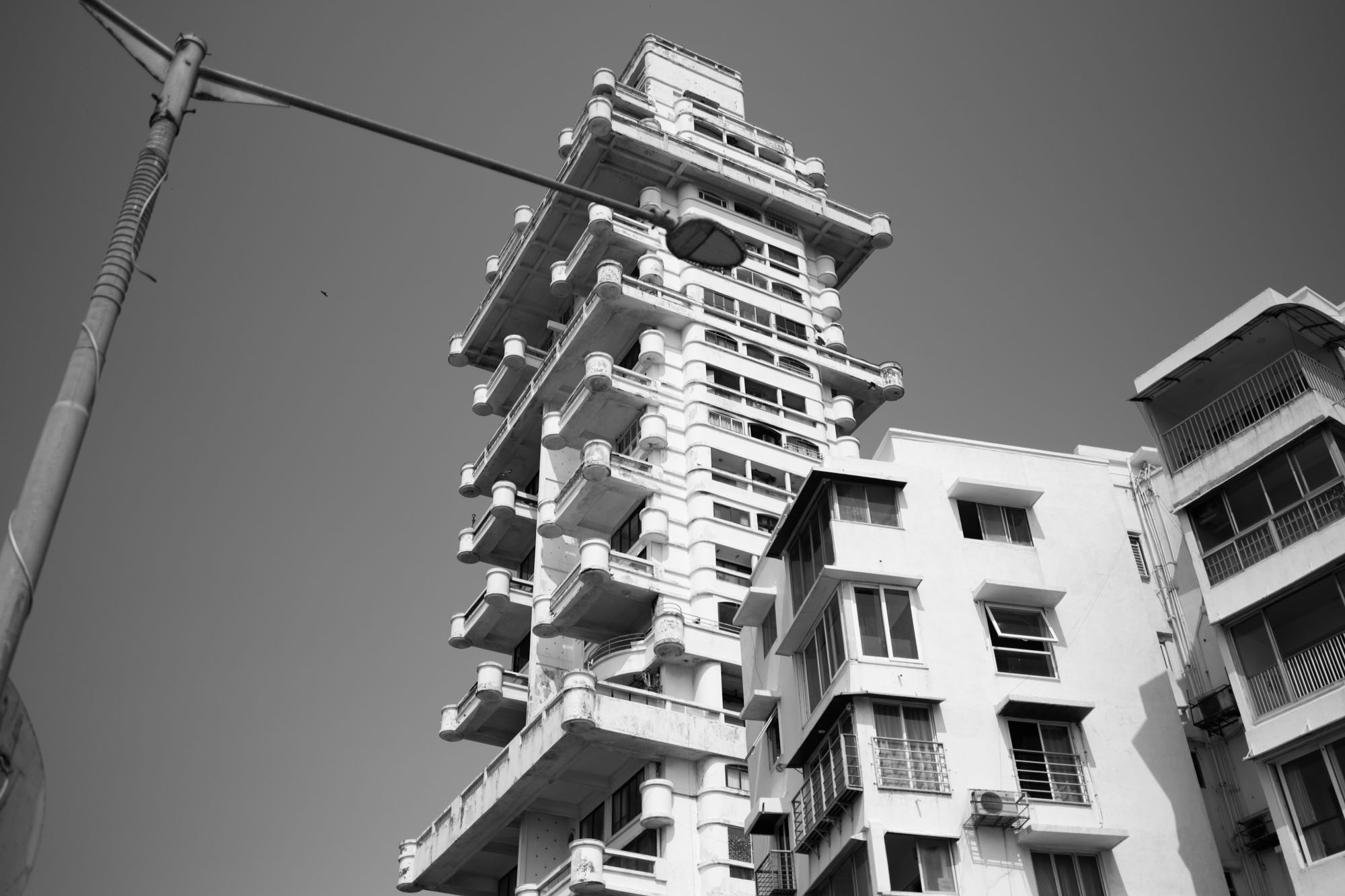

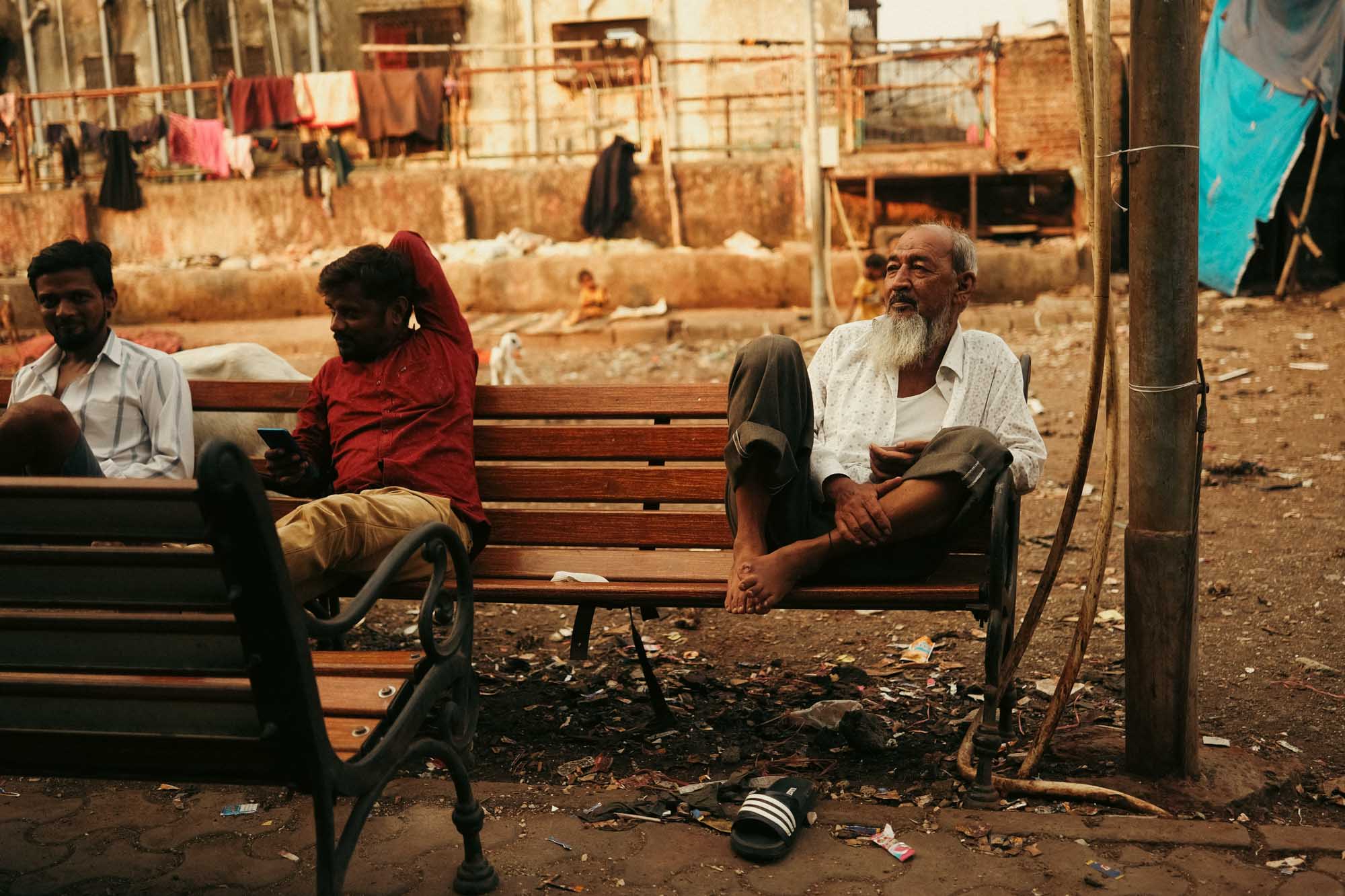
Dharavi is one of the oldest slums in Mumbai, with its oldest house dating back to 1857. Originally, settlements began here when the area was an open expanse outside the city limits. However, as Mumbai expanded, Dharavi found itself at the heart of the metropolis, attracting a large working-class population due to its affordable housing.It ranks as the largest slum in Asia, not by area but by population, with approximately one million residents within roughly 175 hectares, half the size of New York’s Central Park and nearly 20 times denser than the rest of Mumbai.
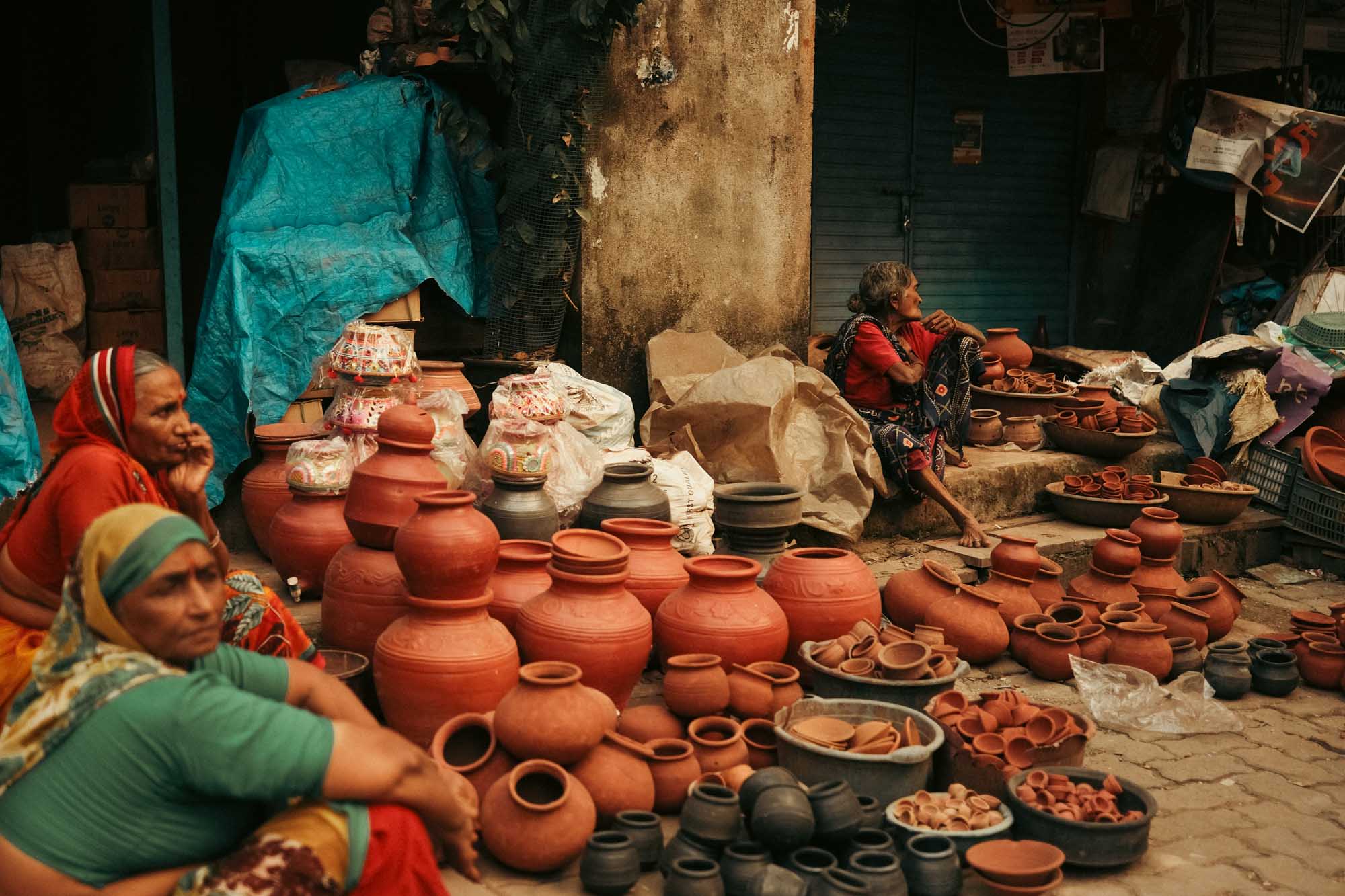
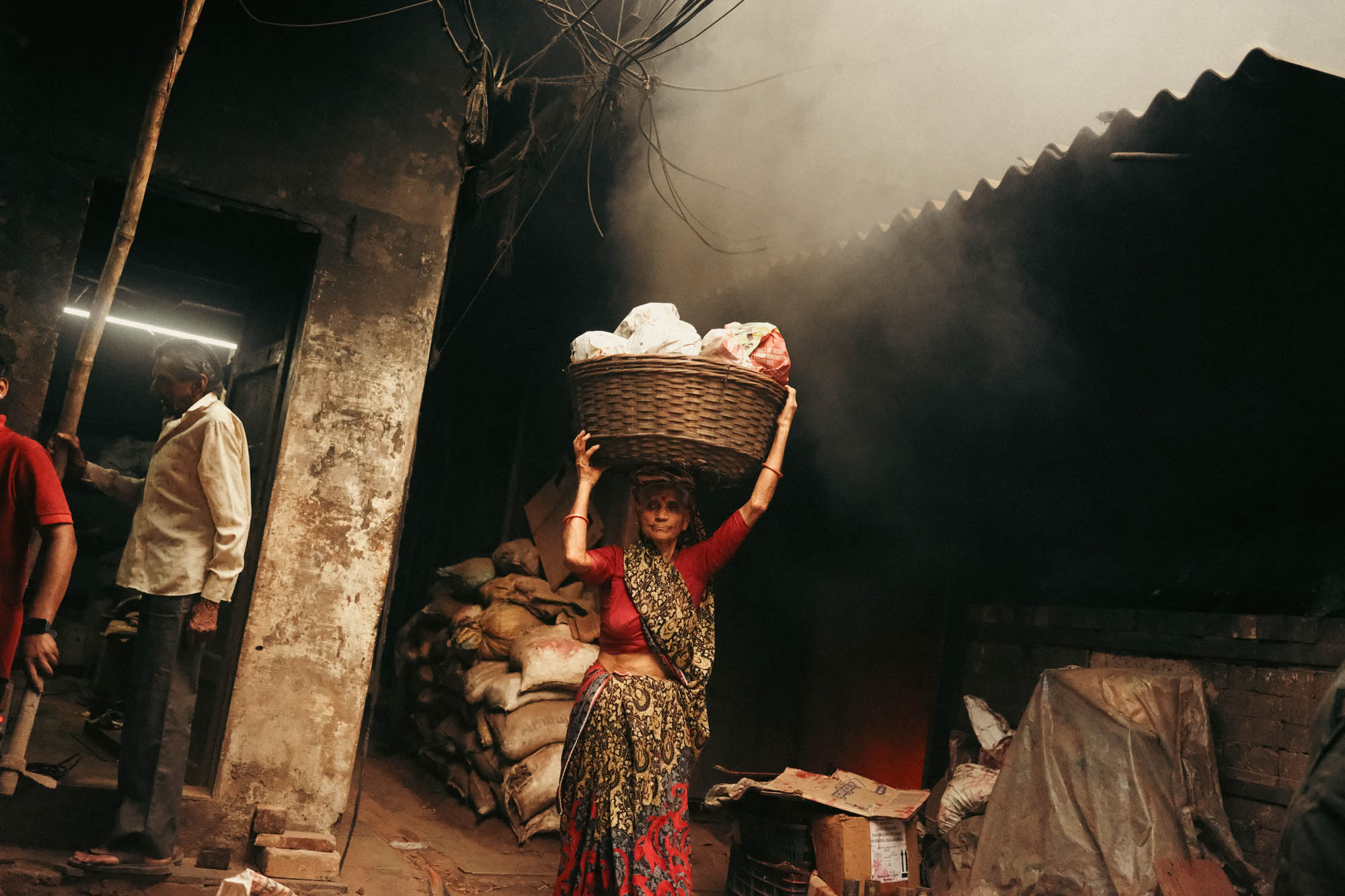


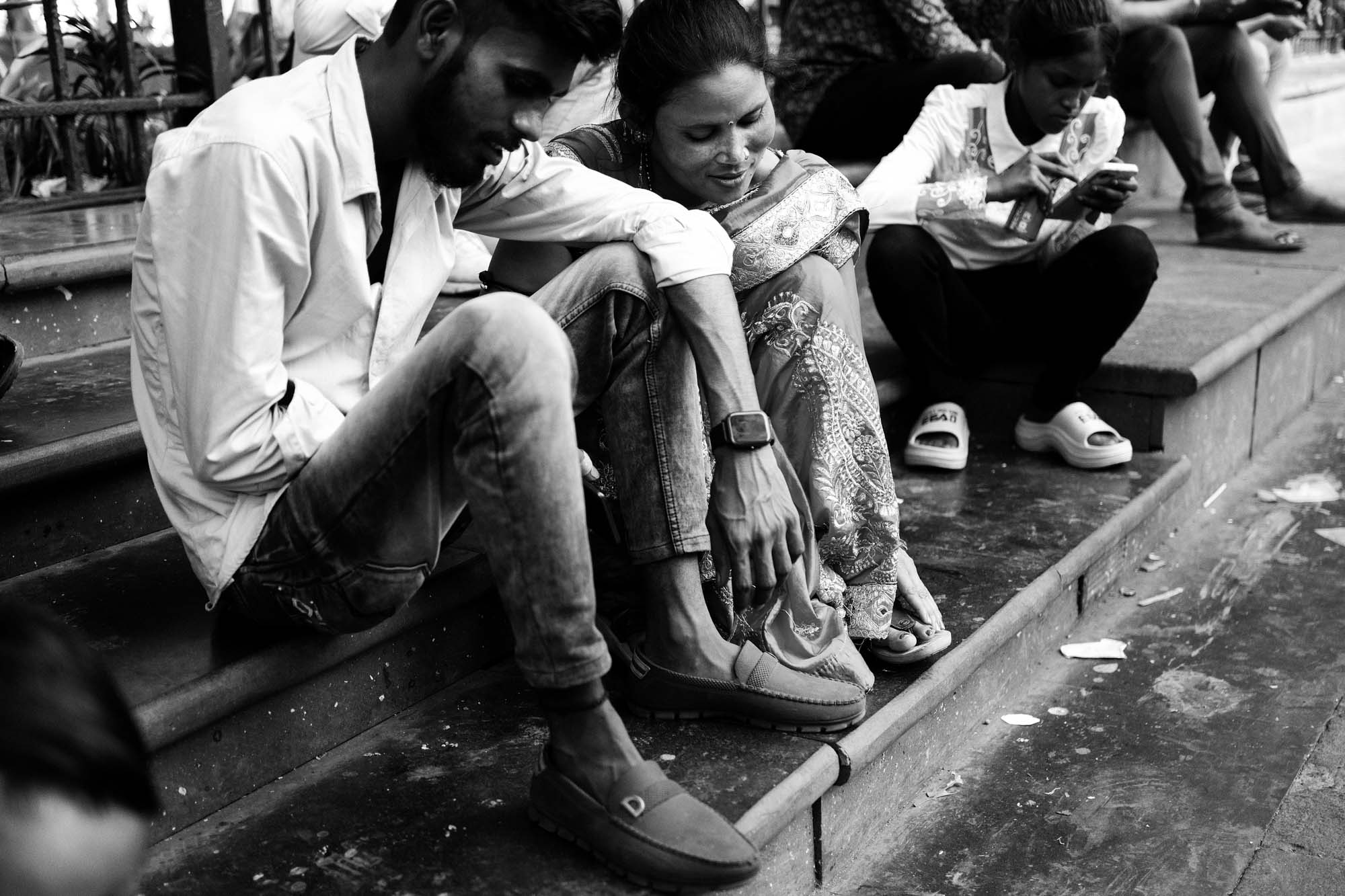
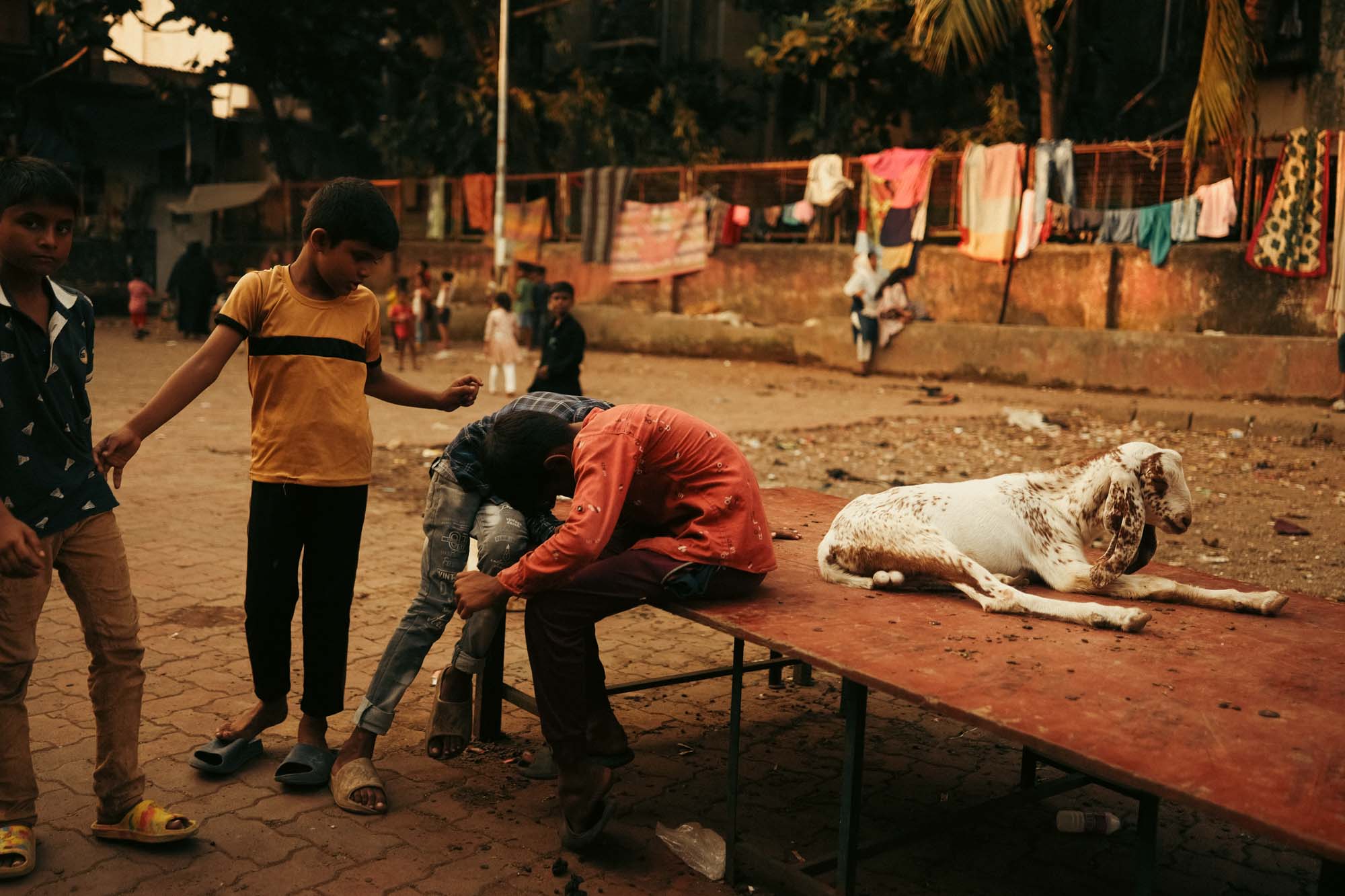
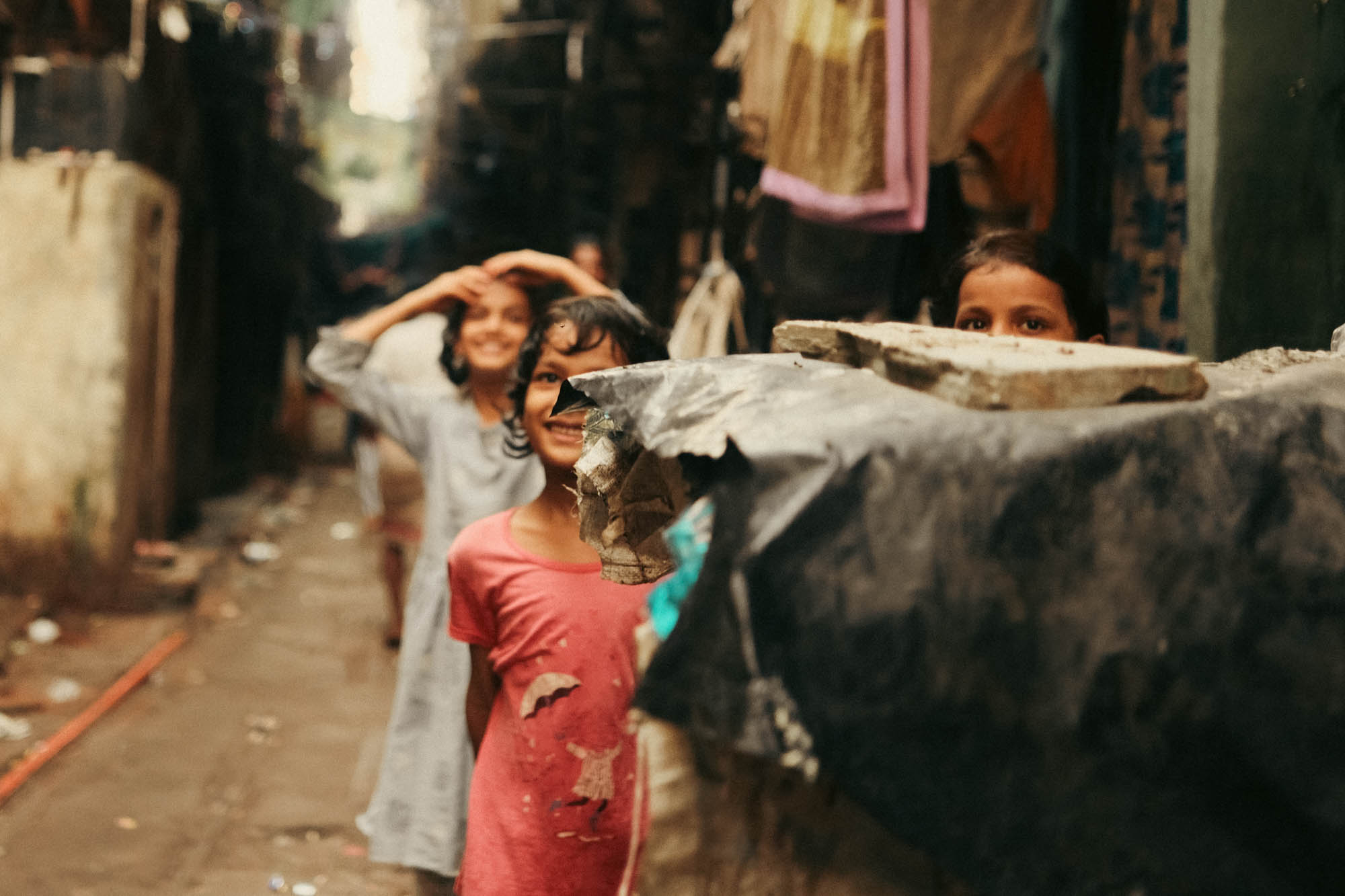
Despite its economic contributions, Dharavi remains a place of deep-seated prejudice for many Mumbai residents. Common perceptions paint it as a dangerous, dirty, and unpleasant part of the city, yet many who hold such views have never set foot there.Discrimination against its residents is prevalent, both socially and institutionally. Government neglect further exacerbates these issues, reinforcing the divide between Dharavi and the rest of Mumbai.
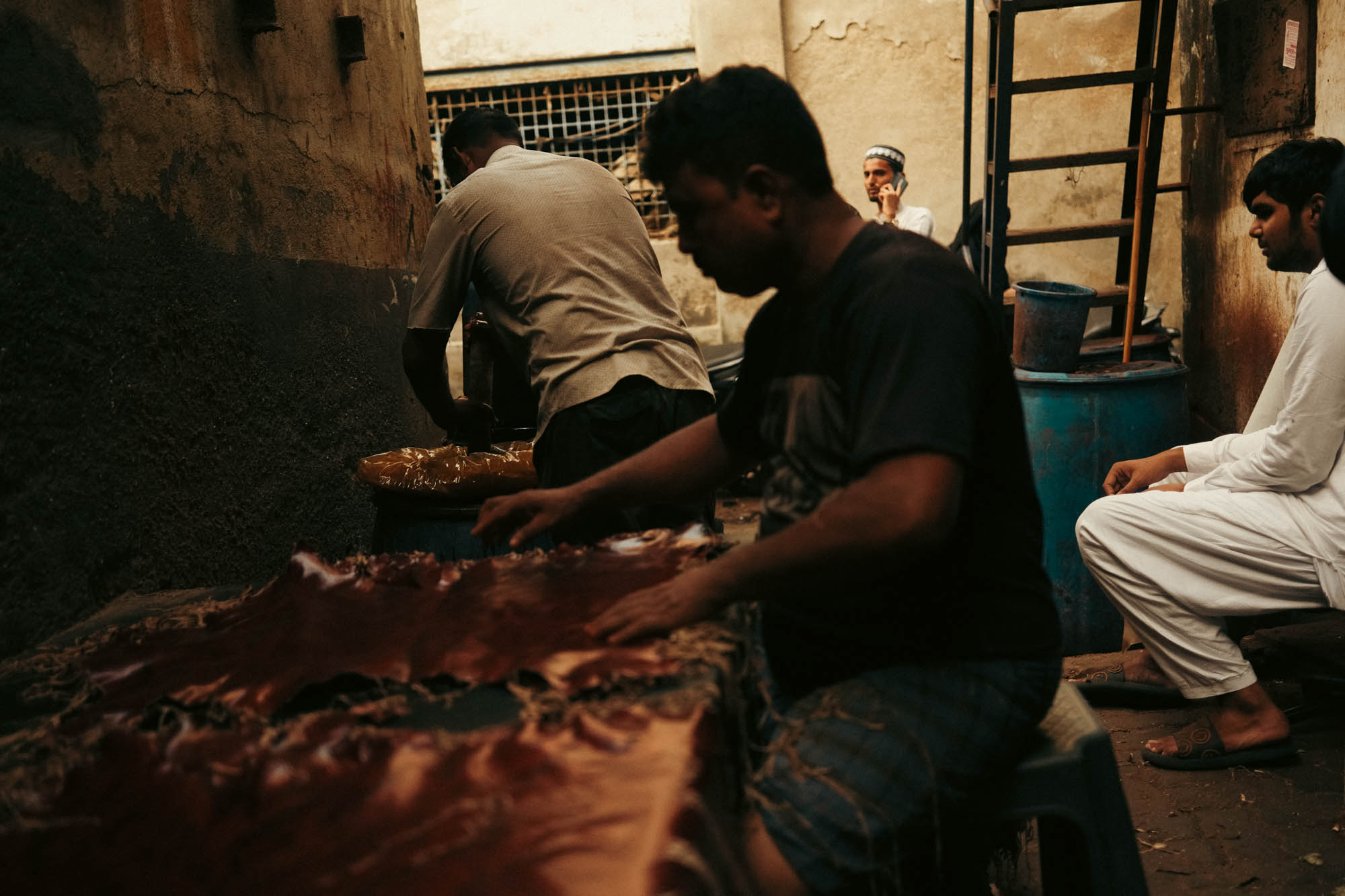

A major economic hub, Dharavi thrives on plastic recycling, processing waste collected from Mumbai’s streets and beyond. Many international factories contract its recycling centers, handling not only plastic but also industrial materials. Additionally, Dharavi houses over 10,000 small factories involved in garment manufacturing, leatherwork, pottery, food production, and more, contributing to an annual revenue of around 655 million USD. This dense network of industries reflects an entrepreneurial spirit often overlooked by the rest of the city.
Jitendra, known as Jeetu, seeks to challenge these biases. He hosts tours that aim to reveal the hardworking nature of Dharavi’s people, individuals who, despite earning little, strive with dignity and perseverance. He hopes that more locals will participate in these tours to dismantle misconceptions, yet few from Mumbai show interest in visiting. As a result, his tours largely attract foreign visitors rather than the city’s own residents. Born and raised in Dharavi, Jeetu remains deeply connected to his community, striving to bring recognition and justice to its people. His work highlights the stark contrast between perception and reality, urging a reconsideration of Dharavi’s place within Mumbai’s social and economic landscape.

If you happen to visit Mumbai or want to help his cause, feel free to reach out to him.
